
Last updated November 23, 2026
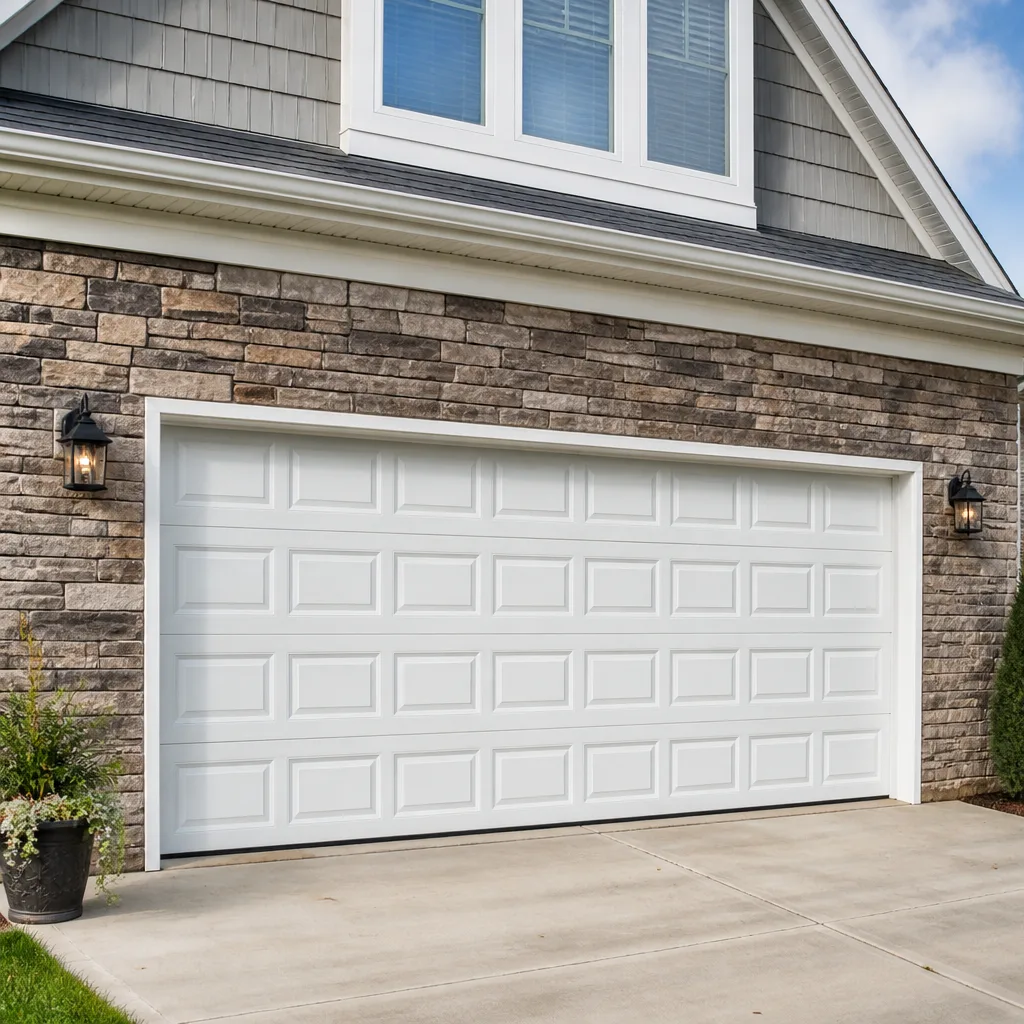 Raised-panel steel
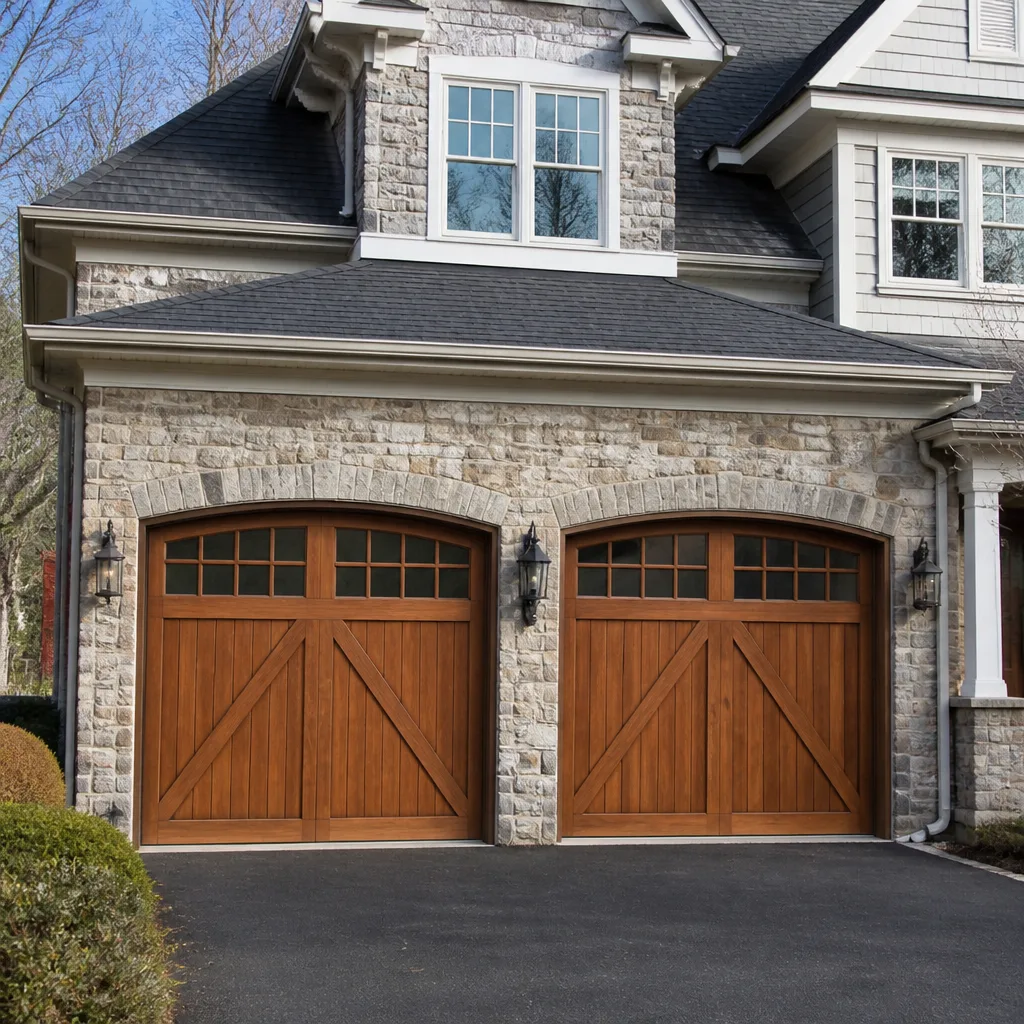 Carriage house
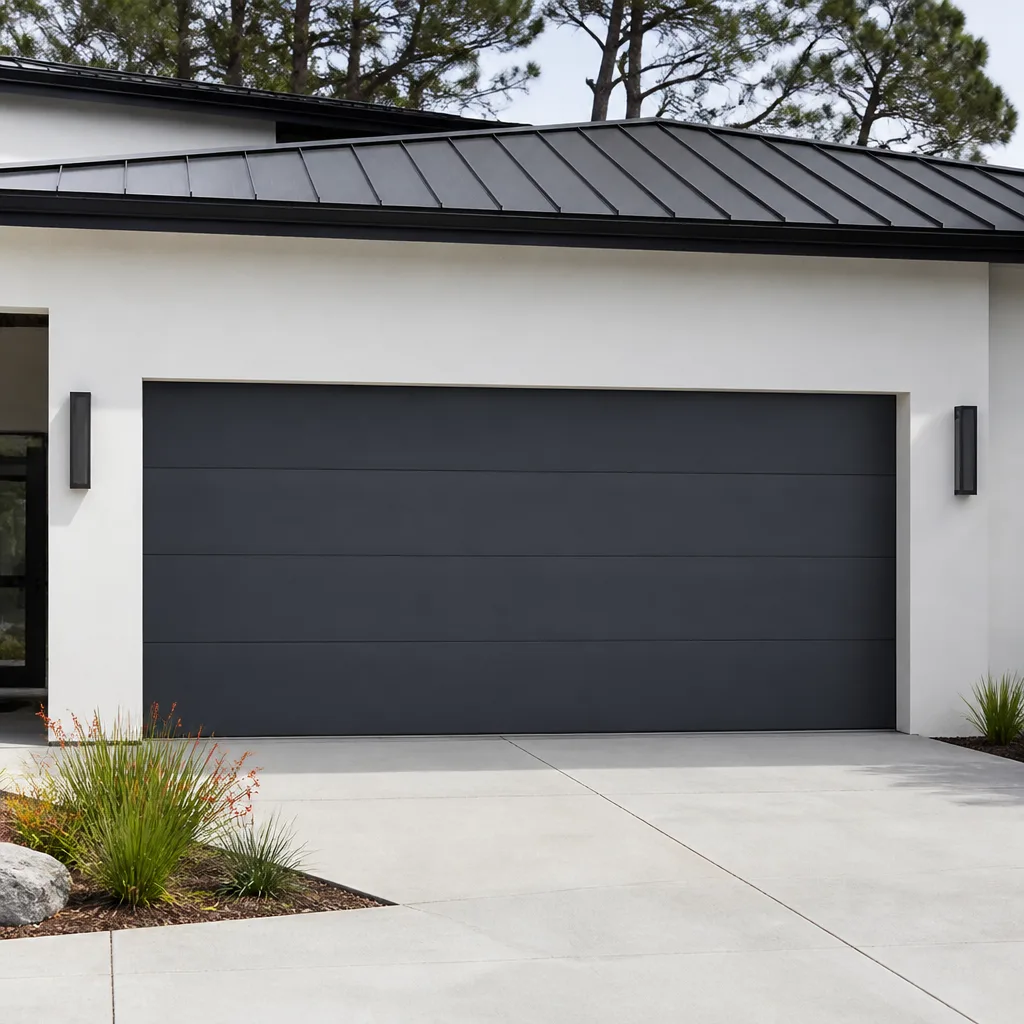 Modern flush
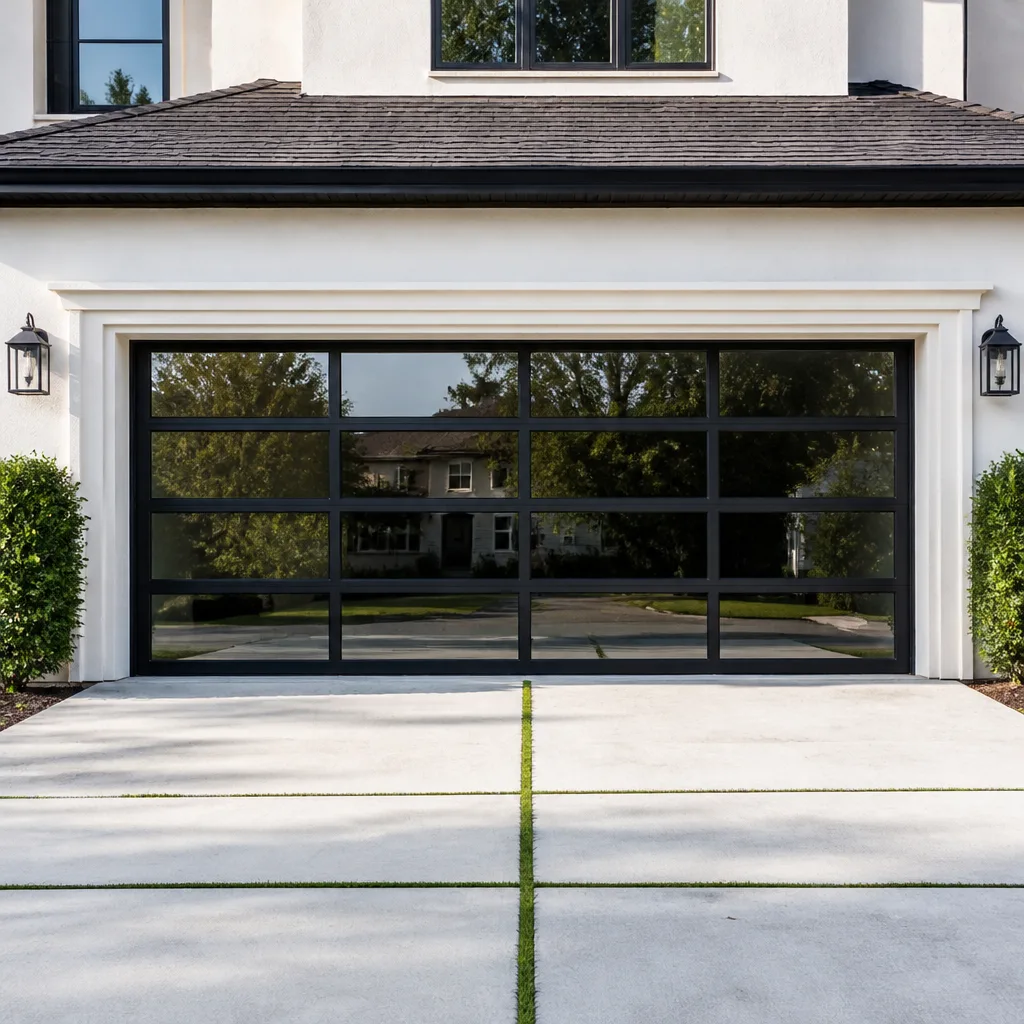 Full-view glass
 LiftMaster openers
 Chamberlain openers
Full 25-point door and opener safety check with every visit - springs, cables, rollers, tracks, and your LiftMaster or Chamberlain opener included
You get a price before we start. It does not change when the pro arrives.
Get your free estimateGarage Door Warning Signs: A Mason Homeowner’s Reference Guide
A grinding noise on the way up and silence on the way down aren’t the same problem. But most homeowners describe both as “making a weird noise,” which tells a technician almost nothing and delays the right fix. The sound you hear, the way the door moves, and the small visual changes you walk past every day are all telling you which part is about to fail. This reference guide names every warning sign we know of, in plain language, so a Mason homeowner can tell the difference between a door that needs a screwdriver this weekend and one that needs to stay shut until a technician sees it.
Quick Answer
The most serious garage door warning signs in Mason are a visible gap in a torsion spring, a frayed or kinked lift cable, a door that reverses before it touches the floor, and any door that comes down faster than it goes up. Those four mean stop using the door and call a technician. Grinding, squealing, and rattling are usually mechanical wear that can be scheduled. The single most useful thing you can do is describe the symptom precisely when you call, because the sound and the movement pattern point straight to the failing part.
Styles & brands we work with
- Raised-panel steel
- Carriage house
- Modern flush
- Full-view glass
- LiftMaster openers
- Chamberlain openers
Table of Contents
- What Each Garage Door Sound Is Telling You
- Visual Warning Signs, Sorted by Urgency
- What Your Opener’s Behavior Says About Its Condition
- Warning Signs You Can Monitor vs. Signs That Mean Stop
- Quick Reference: Symptom, Likely Cause, and Who Should Fix It
- How Mason Weather and Daily Use Accelerate Wear
- Brand-Specific Failure Patterns Worth Knowing
- A Five-Minute Monthly Check for Mason Homeowners
What Each Garage Door Sound Is Telling You
Sound is the earliest warning a garage door gives, and it’s the one homeowners describe least usefully. “Weird noise” covers at least five different mechanical failures. Here’s how we separate them, and what each one usually means.
Grinding. A low, rough grind as the door rises almost always comes from the rollers binding in the track or from worn bearings in the rollers themselves. Metal-on-metal grinding that gets louder halfway up often points to a track that’s been knocked slightly out of alignment, which happens a lot in homes where the door gets bumped by a bike or a recycling bin. Grinding isn’t usually an emergency, but left alone it chews through rollers and starts loading the opener motor.
Popping. A sharp pop, especially one loud enough to make you flinch, is the sound of a torsion spring or a cable under load shifting suddenly. This is the sound to take seriously. Springs are dangerous, and a pop can mean a spring is on the edge of failing. Leave it to us rather than testing it yourself.
Squealing. High-pitched squealing is nearly always lack of lubrication at the hinges, rollers, and spring coil. It’s the most harmless sound on this list and the easiest to correct, but if the squeal is coming from the opener itself rather than the door, you may be hearing a motor under strain.
Rattling. Loose hinge bolts, a slack chain on a chain-drive opener, or a panel that’s come slightly loose from its stile all produce rattle. It’s rarely urgent on its own, but rattling plus a door that shakes is an early sign the whole assembly is working loose.
Nothing at all. Silence where there used to be motor noise is its own diagnosis: power, logic board, capacitor, or a safety sensor circuit that’s holding the door in place. That’s opener territory rather than door territory. If you’re unsure which system you’re hearing, garage door opener repair starts with a diagnosis, not a guess.
Visual Warning Signs, Sorted by Urgency
You don’t have to know how a garage door works to spot the visual signs. You just have to know where to look and how urgent each one is. We sort them into three buckets: what can wait a week, what needs attention this weekend, and what means stop using the door right now.
Stop using the door right now
- A gap in the torsion spring. Look at the spring above the door (the horizontal coil on the shaft). If you can see a visible gap of an inch or more anywhere along it, the spring is broken or nearly so. That door should not be operated. Call a technician before the next use.
- A frayed, kinked, or slack lift cable. The cables are the thin steel lines running down each side. Fraying strands, a kink, or a cable that’s gone slack means the cable is failing. This is not a homeowner repair. A snapping cable is genuinely dangerous.
- A door that comes down faster than it goes up. That’s the counterbalance system losing control. Stop, and call.
- A door that reverses before it reaches the floor. The safety reverse is failing, and a door that won’t close properly is a hazard to anyone underneath.
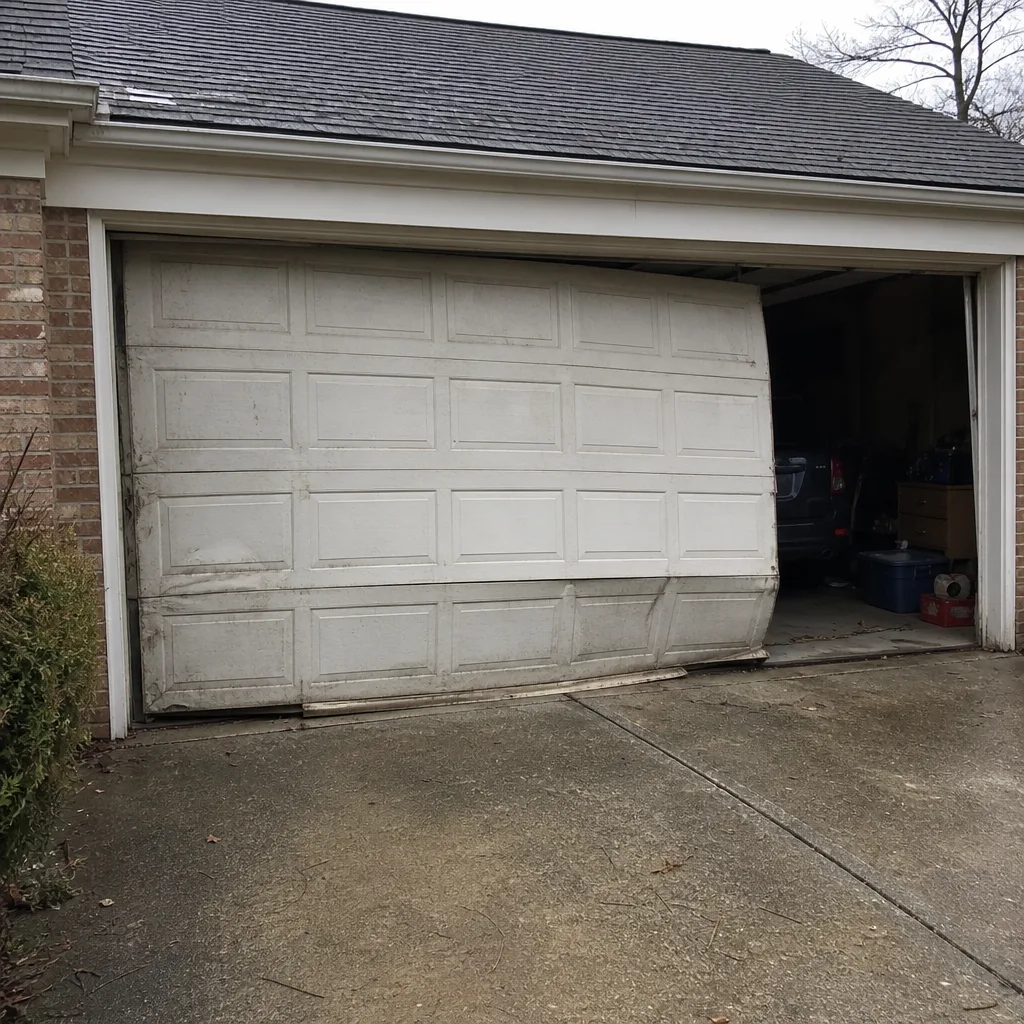
- A visibly bent or cracked bottom panel or a door hanging off one track. Structural failure. Don’t force it.
Needs attention this weekend
- Rollers that are visibly cracked, flat-spotted, or missing a bearing cap.
- A track with a visible dent or bend that the door rubs against.
- Loose hinges or hinge plates pulling away from the panel.
- Weatherstripping that’s torn, flattened, or hanging loose at the bottom edge.
- An opener that hesitates or reverses intermittently at one spot on the door’s travel.
Can wait a week (but shouldn’t wait a season)
- Squealing at the hinges or rollers.
- A single rattling panel bolt.
- A remote that needs to be closer than it used to.
- Fading or scuffing on the door’s finish.
- Dust or debris building up along the bottom seal.
If you’re seeing any of the “stop” signs, that’s the moment to call a professional, not the moment to test the door one more time. Springs and cables are the two components on a garage door that can cause serious injury if they let go while you’re near them.
What Your Opener’s Behavior Says About Its Condition
The opener is a computer with a motor, and it reports its problems through behavior rather than sound. Here’s how we read the most common patterns in Mason homes.
Hesitation before the door moves. A pause of a second or two before motion usually means the opener is checking its safety sensors and finding something marginal. A spider web across a sensor lens, a sunbeam hitting one at the same time every afternoon, or a slightly misaligned bracket will all do it. If the hesitation only happens at certain times of day, suspect sunlight on the sensor.
Reversing partway down. If the door starts down and then backs up on its own, the safety reverse is triggering. That can be the sensors, the travel limits, or the force setting being too sensitive. Don’t override it. The reverse is a safety feature, and defeating it is how people get hurt.
Remote lag or a shrinking range. If you have to be closer to the door than you used to, the remote battery is the first thing to check. If a fresh battery doesn’t fix it, the logic board or the antenna on the opener head is the next suspect. On a LiftMaster or Chamberlain unit with a wall-mounted remote, a dying battery can also cause the opener to forget its programming.
Motor runs but the door doesn’t move. That’s a stripped gear or a broken drive assembly, and it usually needs a technician.
Lights flash and nothing else happens. On most openers, that’s a sensor fault code. The lights are telling you the sensors aren’t satisfied. Check for obstructions first, then call if the lights keep flashing.
If any of these patterns are familiar, note them down before you call. A technician who knows the exact behavior can often bring the right part to the first visit rather than the second.
Warning Signs You Can Monitor vs. Signs That Mean Stop
The line between “watch it” and “call now” is the line between a part that wears gradually and a part that fails suddenly. Here’s how we draw it.
Safe to monitor: a squeak that comes and goes, a rattle from one hinge, a remote that needs a fresh battery, a door that’s slightly slower than it used to be, minor scuffs on the finish, a bottom seal that’s starting to flatten. These are wear items. They’ll get worse slowly, and you have time to schedule the fix.
Call a technician before the next use: a frayed or kinked lift cable, a visible gap in the torsion spring, a door that comes down faster than it rises, a door that reverses before reaching the floor, a door that’s hanging off its track, or any visible crack in the bottom panel. These are all sudden-failure components, and the next use is the one that turns a repair into an emergency.
Never DIY: anything involving the torsion spring, the lift cables, or the bottom bracket. The spring holds hundreds of pounds of tension even when the door is down. Cable and spring work is why certified service is its own named discipline on our side. Springs are dangerous. Leave it to us.
A useful rule we give Mason homeowners: if you can’t see the whole part from the floor with a flashlight, it’s not a DIY check. Look, don’t touch.
Quick Reference: Symptom, Likely Cause, and Who Should Fix It
For the 9 PM call, here’s the lookup table. Match the symptom, read the likely cause, and note whether it’s a DIY-safe check or a professional call.
| Symptom | Likely cause | DIY-safe or professional |
|---|---|---|
| Grinding on the way up | Worn rollers or a misaligned track | DIY-safe to inspect; professional to repair |
| Sharp popping | Torsion spring under load | Professional, immediately |
| High squealing | Dry hinges, rollers, or spring coil | DIY-safe (lubrication) |
| Rattling | Loose hinge bolts or slack drive chain | DIY-safe to tighten; professional if persistent |
| Door reverses before floor | Safety reverse or travel limit misadjustment | Professional |
| Door won’t go up | Broken spring or dead opener | Professional |
| Motor runs, door still | Stripped gear in opener | Professional |
| Frayed or kinked cable | Cable fatigue | Professional, before next use |
| Visible spring gap | Broken torsion spring | Professional, before next use |
| Remote short range | Remote battery, then logic board | DIY-safe to replace battery |
| Lights flash, door still | Safety sensor fault | DIY-safe to clear obstruction; professional if it persists |
| Door hangs off track | Bent track or failed roller | Professional |
We keep this same table in mind when we take a call. The more of it you can quote back to us, the faster we can tell you whether the fix is a same-day visit or something we can schedule. If you want the door looked at properly, garage door repair is the place to start.
How Mason Weather and Daily Use Accelerate Wear
Garage doors in Mason live in a particular kind of climate. Our stretch of southwestern Ohio runs humid summers and cold winters with real freeze-thaw cycles, and that has a direct effect on the parts that fail first.
Summer humidity is unkind to the lubrication on your hinges and rollers. Grease thins out in the heat and migrates, so by late July you’re more likely to hear squealing than you were in spring. Winter cold does the opposite: seals get stiff, the door’s bottom weatherstripping takes a set, and small gaps open up at the corners. A stiff seal produces more drag on the door, and that drag pulls harder on the spring and the opener every time the door cycles.
The freeze-thaw swing also works on the concrete at the door’s base. Small frost heaves can shift the track slightly out of plumb, which is why a spot that didn’t rub in October can start grinding in February. It’s a slow, seasonal drift rather than a single failure, and it’s one of the most common patterns we see in Mason.
Daily use matters just as much. A family that cycles the door four or five times a day is putting four or five times the wear on the spring, rollers, and opener of a house that uses it twice. That’s not a problem, it’s arithmetic, but it explains why two doors that were installed in the same year can be in very different condition. If your door gets heavy daily use, the “monitor” list becomes a “check monthly” list.
Brand-Specific Failure Patterns Worth Knowing
The brand on your door and opener isn’t a marketing detail. Each manufacturer has its own hardware patterns, and knowing them makes diagnosis faster. Our technicians work on the brand you already have and are factory-familiar with eight of the leading names, including LiftMaster, Chamberlain, Genie, Clopay, Amarr, Wayne Dalton, Craftsman, and Raynor. Here’s a sample of what that familiarity buys you.
Clopay and Amarr doors are the two brands we’re asked about most often in Mason, and each has its own pattern. Clopay doors tend to show loose hinge plates on their panel construction before they show roller wear, so a Clopay that’s rattling is usually telling you about fasteners rather than rollers. Amarr doors hold up well but are sensitive to track alignment, so a dent or bump at the bottom of the track tends to show up as opener strain before you’d notice anything wrong with the door itself.
On the opener side, LiftMaster and Chamberlain share a lot of hardware, so a sensor or logic board issue often looks the same on both. Genie units have their own quirk around remote programming that a generalist will spend an hour on and we can spot in a minute. Craftsman openers are older on average and more likely to have a capacitor or gear issue at the point where the door starts stalling.
None of that can be diagnosed over the phone, but it does mean we can usually tell which part a symptom points to before we arrive. If a door is a Clopay with a rattle, we know the first thing to check. If a homeowner has a Chamberlain that runs but the door doesn’t move, we know what that signature means.
A Five-Minute Monthly Check for Mason Homeowners
Here’s the walk-around we recommend to every Mason homeowner, once a month, with the door closed and the opener unplugged. It’s a look-and-listen, not a repair.
- Look at the springs. With the door closed and the opener unplugged, do a visual scan of the torsion spring above the door for gaps, rust, or deformation. Don’t touch it. If it looks intact, move on.
- Look at the cables. Run your eyes down each side for fraying strands, kinks, or slack. You’re looking for a cable that looks wrong, not trying to adjust one.
- Check the bottom seal. The rubber weatherstripping at the floor should sit flush with the concrete. Stiffness, a visible gap, or a torn edge all suggest replacement before the next season.
- Listen to a full cycle. Plug the opener back in, run the door up and down once, and just listen. Note any grind, pop, squeal, or rattle to compare next month. Note where in the travel each sound occurs.
- Test the safety reverse. Put a roll of paper towels or a small box under the door’s flight path and lower it. The door should reverse on contact without pressing hard. If it presses on the box, that’s a professional call.
- Check your remotes. Press each remote from the far end of the driveway. If the range has changed, replace the battery before assuming the opener is going.
Five minutes a month is enough to catch the slow-moving signs before they become the sudden ones. The stop signs on this list will still need a professional, but the monitor list is yours to manage.
Common Mistakes to Avoid
- Calling it “just a noise.” Every sound on this guide maps to a different part. When you call in Mason, say what the sound is and when in the door’s travel it happens, because a technician needs it to tell you what’s likely failing before arriving.
- Greasing the track. Track surfaces should be kept clean, not lubricated. Grease on the track collects dust and grit, which accelerates roller wear. Lubricate hinges and rollers, not the track.
- Adjusting the safety reverse to get the door to close. The reverse is a safety feature, not an annoyance. Overriding it to force a door closed is how people and pets get hurt. Call a professional instead.
- Ignoring a faint spring gap. A visible gap in a torsion spring isn’t a small thing that can wait. The door should not be operated until a technician sees it, because the spring holds the full weight of the door above you.
- Replacing the opener when the door is the problem. A door with heavy travel, worn rollers, or a sticking seal will wear out a new opener faster than the old one. Diagnose the door before you spend money on a motor.
- Assuming your brand can’t be serviced. Homeowners in Mason sometimes assume a specific brand needs a dealer. A trained technician who knows Clopay, Amarr, LiftMaster, Chamberlain, Genie, Craftsman, Wayne Dalton, and Raynor can diagnose the same failure patterns without a dealer’s overhead.
- Waiting for the emergency. The daytime repair and the same-day emergency call after a spring snaps are the same job. The difference is that one is scheduled and the other finds you on a Sunday morning with a car trapped inside.
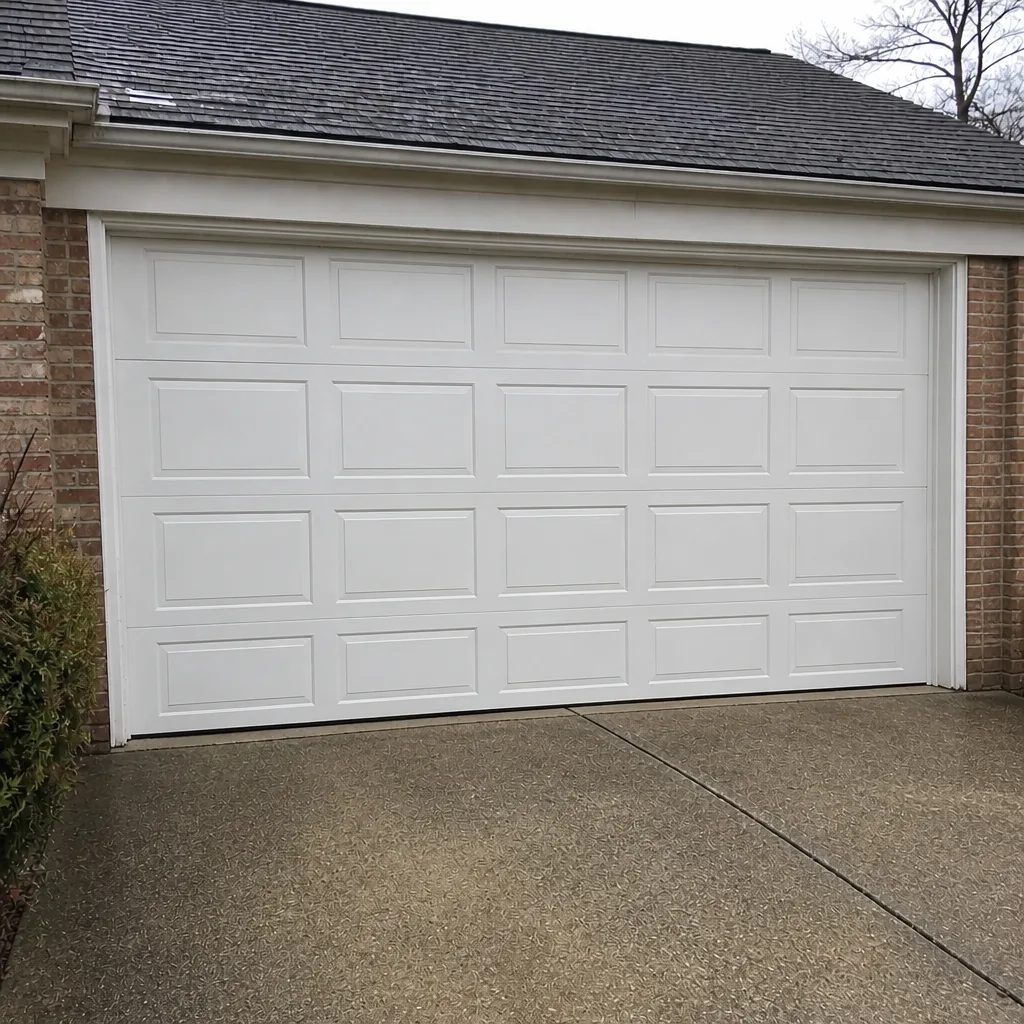
See the difference
 Before
 After
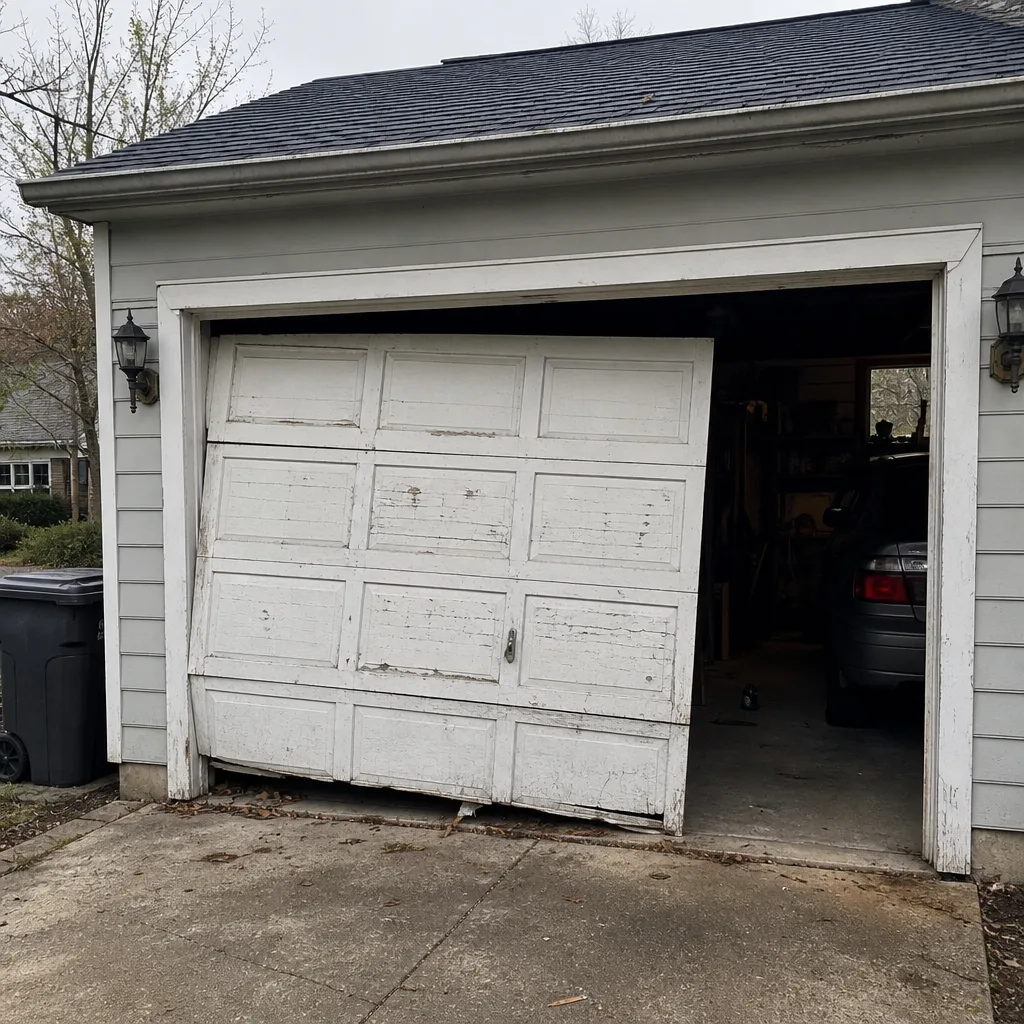 Before
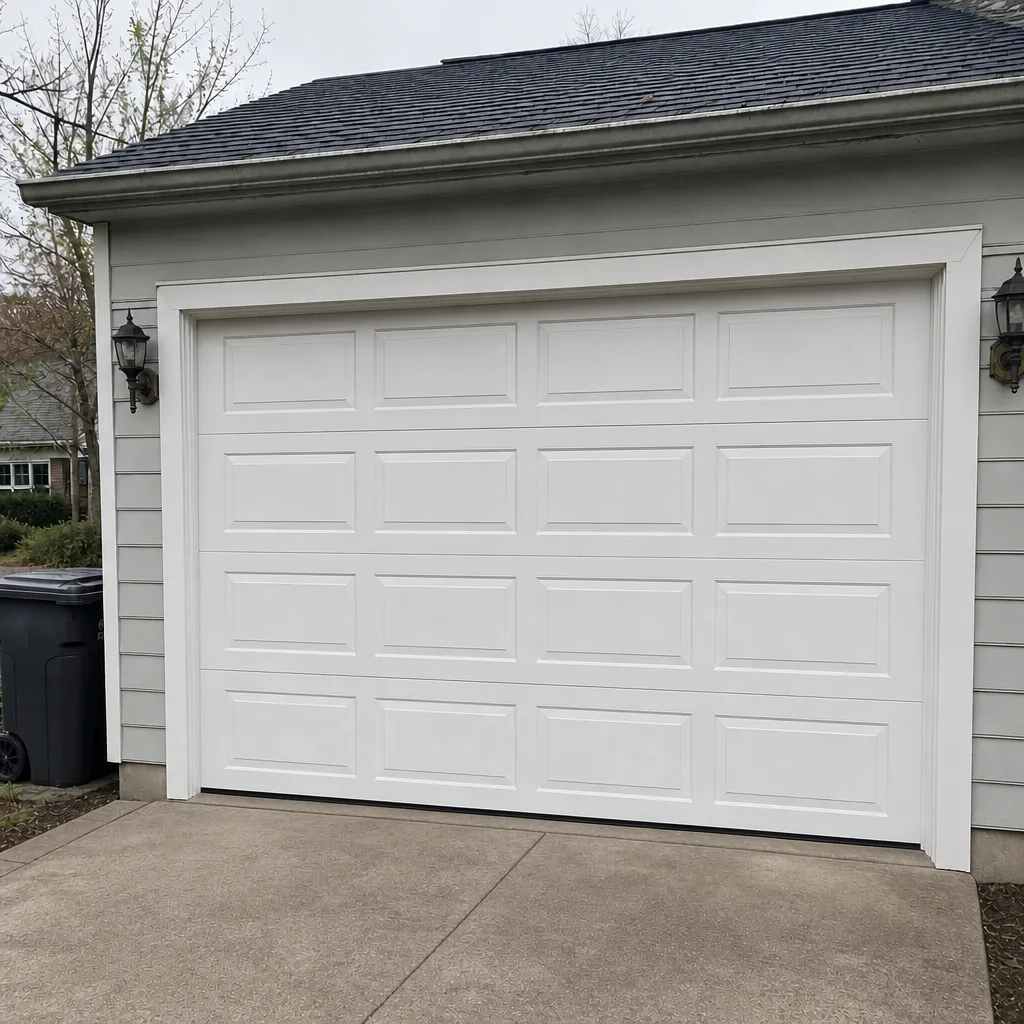 After
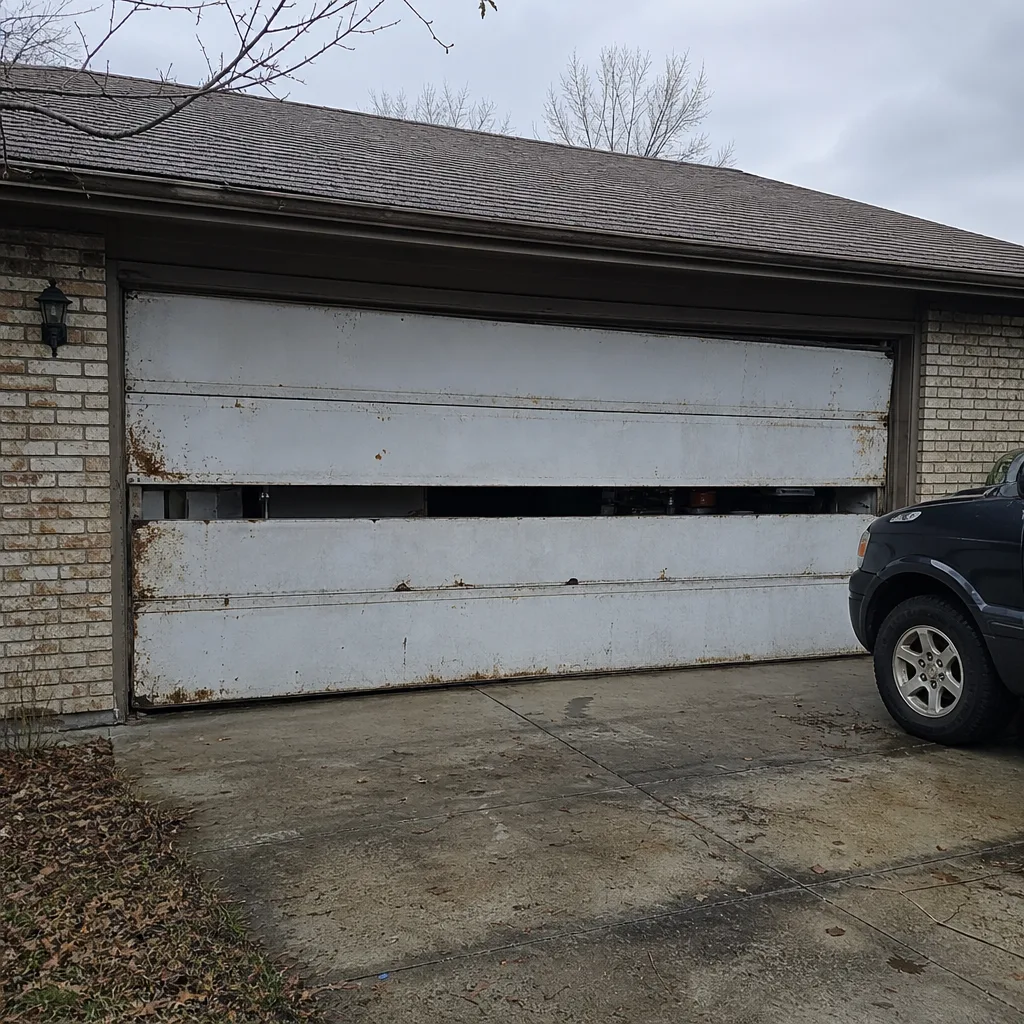 Before
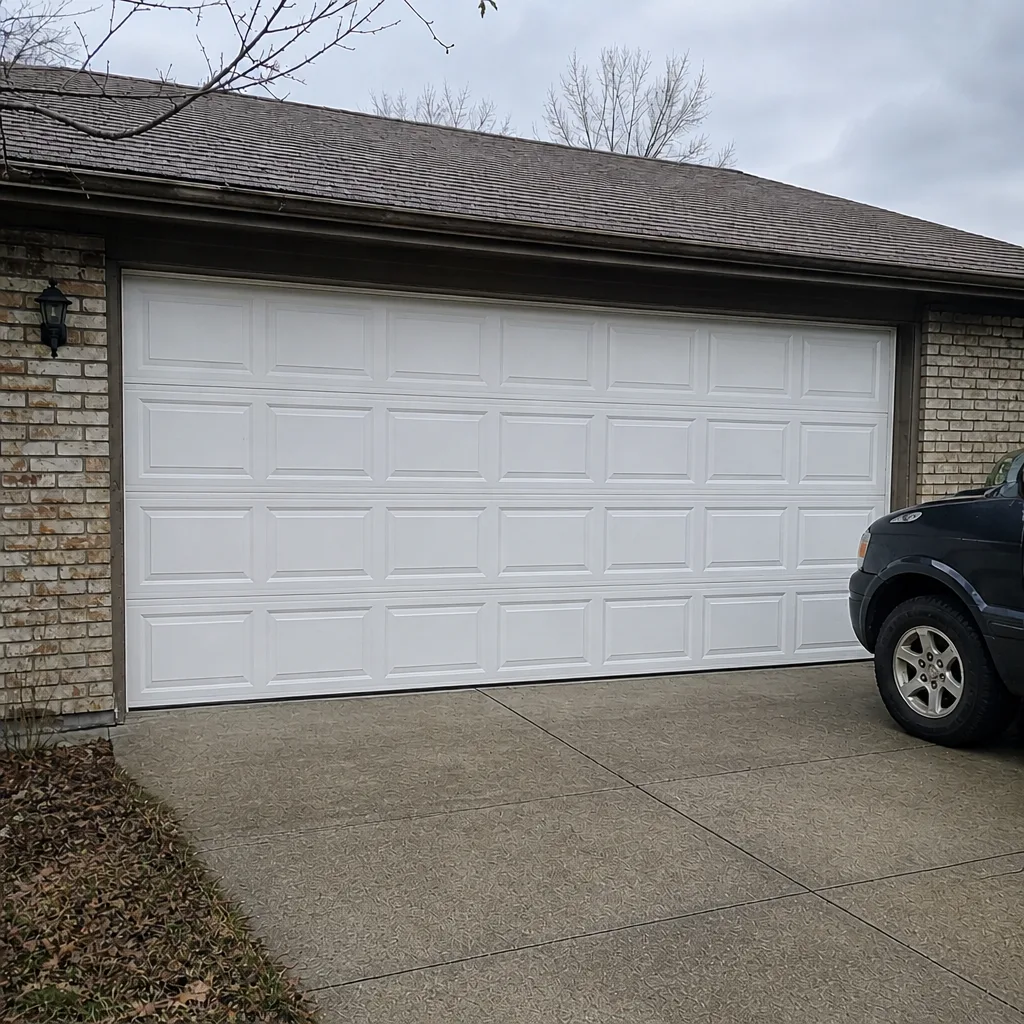 After
When to Call a Professional
Call a professional the moment you see a spring gap, a frayed or kinked cable, a door that comes down faster than it goes up, a door that reverses before it reaches the floor, or a door hanging off its track. Those five symptoms mean the door should stay shut. For everything else, call when the symptom has lasted more than a couple of weeks or when the door is getting harder to operate than it used to. Spring work is the most dangerous repair on a residential garage door, so we treat it as a dedicated discipline rather than a side job. Garage Door Repair Mason offers free estimates in Mason. Call (844) 625-7206. We answer 24/7. Fast dispatch from 7am to 7pm, Sunday through Friday. A call outside dispatch hours is booked into the next opening.
Frequently Asked Questions
A visible gap of an inch or more in the torsion spring, or a loud pop followed by the door feeling impossibly heavy when you try to lift it manually. Either one means the spring has broken or lost tension, and the door should not be operated until a technician sees it. A technician can inspect the spring and give you a written estimate before any work starts. Call (844) 625-7206 for an exact quote, and estimates are free.
Usually not, but it depends on where the grind is coming from. Grinding at the rollers or a track rub is a wear issue that can be scheduled. Grinding that happens only when the door changes direction, or a pop mixed into it, is closer to an emergency and should be looked at the same day. If the door also feels heavy or reverses unexpectedly, treat it as urgent and call (844) 625-7206.
No. On a two-spring door, a single broken spring puts the whole weight of the door on the remaining spring and the opener, and both are now overloaded. The door should stay shut until the spring is repaired. Spring work is dangerous even for experienced homeowners, so leave it to a trained technician. We quote the price before any work starts, and the written estimate is the price.
Usually that the safety sensors are marginal, not that the motor is failing. A spider web, a misaligned sensor bracket, or afternoon sunlight hitting the lens will all cause a hesitation or a reversal. Clear the lenses and try once more. If the hesitation continues, the sensors or logic board need a professional look. Call (844) 625-7206 for an exact quote, and estimates are free.
A rattle is a loose part, usually a hinge bolt, a panel fastener, or a slack drive chain. A pop is a loaded component shifting suddenly, typically the torsion spring or a lift cable. Rattles are safe to monitor and tighten. Pops are a stop-and-call sign. If you’re unsure which you’re hearing, describe it to a technician and they can often tell you before arriving.
Diagnose the door first. A door with worn rollers, a sticking seal, or a tired spring will wear out a new opener faster than the old one, so replacing the motor first often means paying twice. Our technicians have up to 9 years of experience diagnosing which system is actually failing. Call (844) 625-7206 for a free estimate, and we’ll give you the written price before any work begins.
The Bottom Line
Garage door failures almost never happen without warning. They happen to homeowners who didn’t know what the warnings looked like. The grinding, popping, squealing, and rattling all map to specific parts, and the visual signs give you a clear line between what can wait a week and what means stop using the door right now. Keep the symptom table in mind, run the five-minute monthly check, and don’t test a spring gap or a frayed cable. The daytime repair and the emergency call are the same job. Catch it early and it stays a scheduled visit.
Written by the team at Garage Door Repair Mason.