
Last updated November 23, 2026
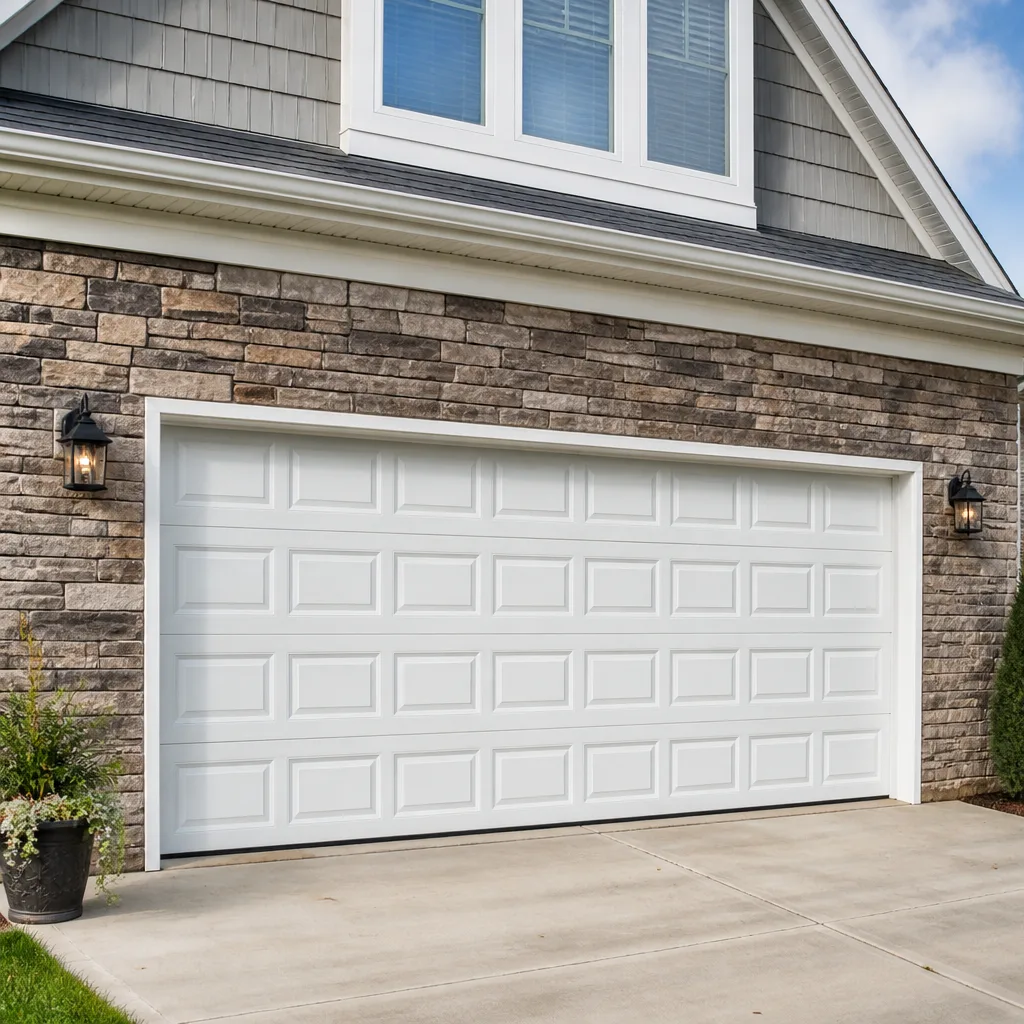 Raised-panel steel
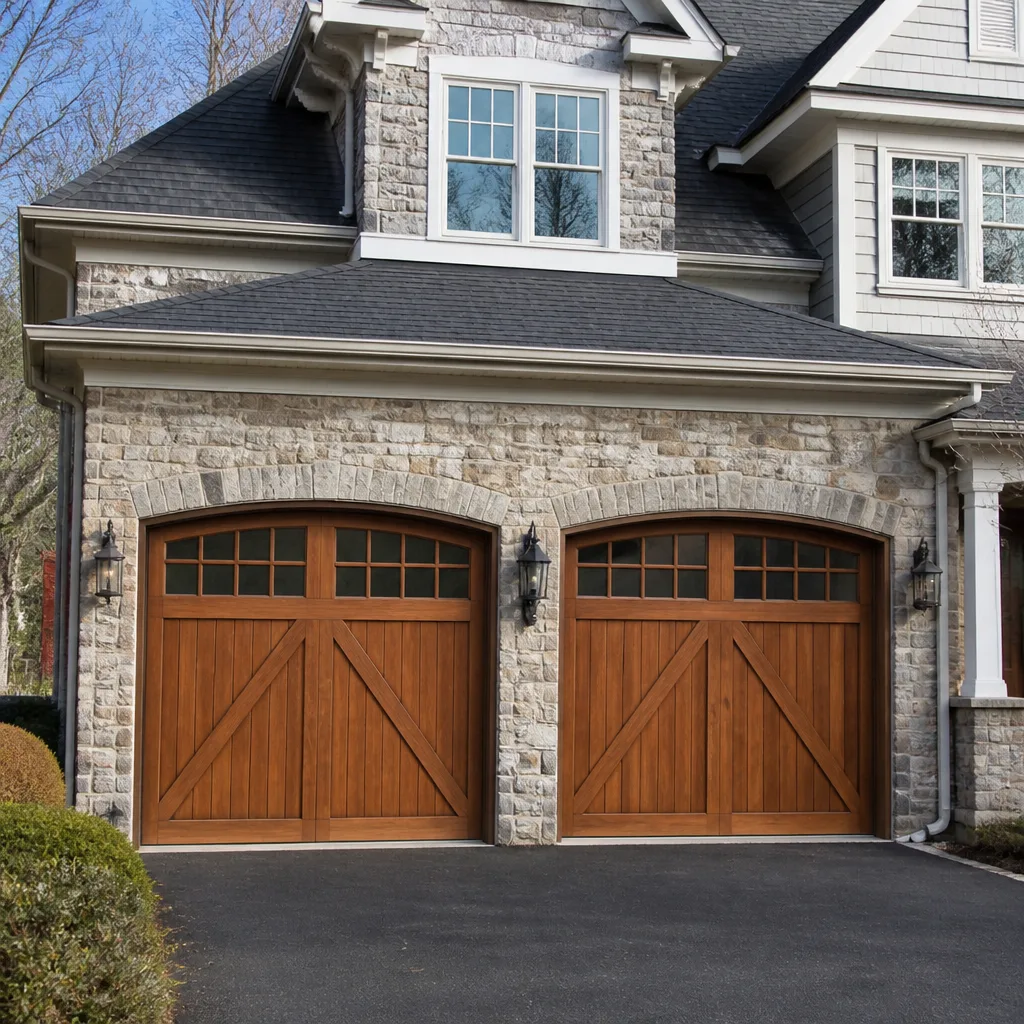 Carriage house
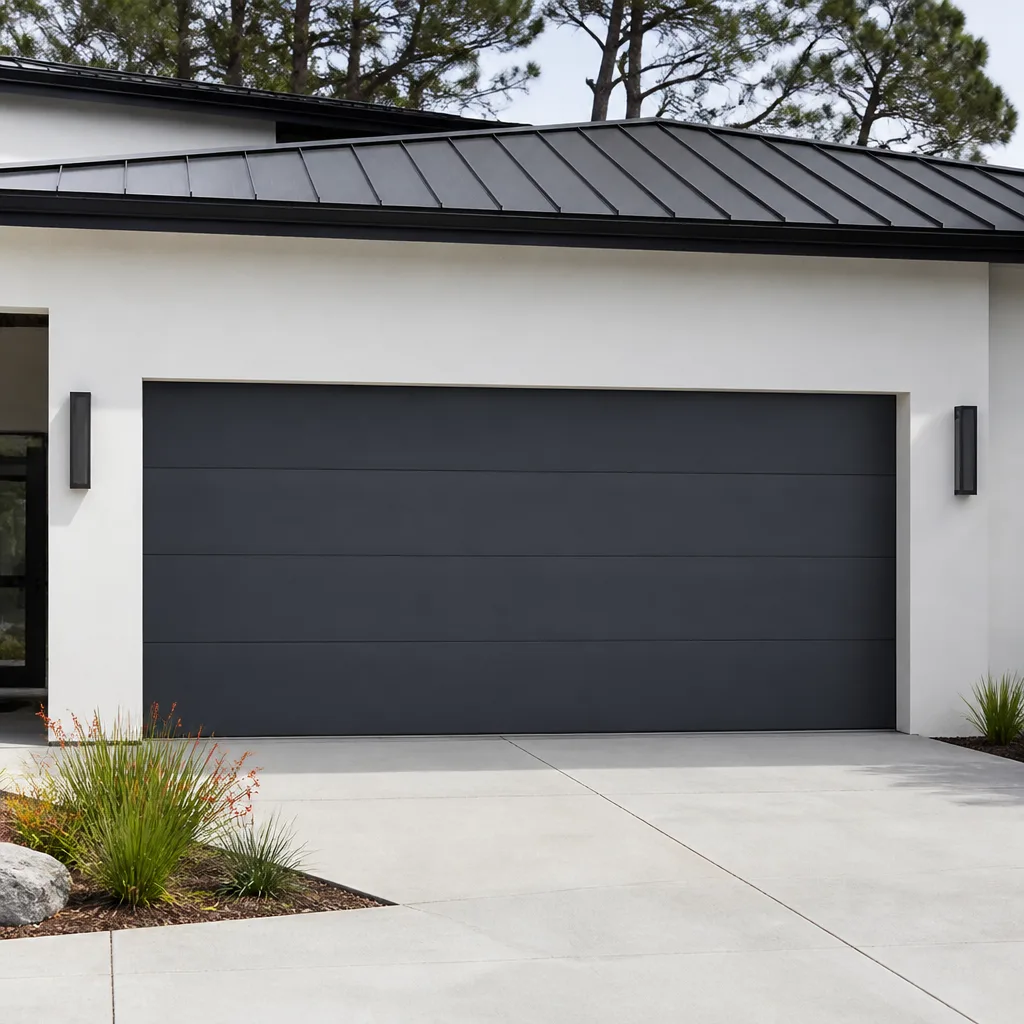 Modern flush
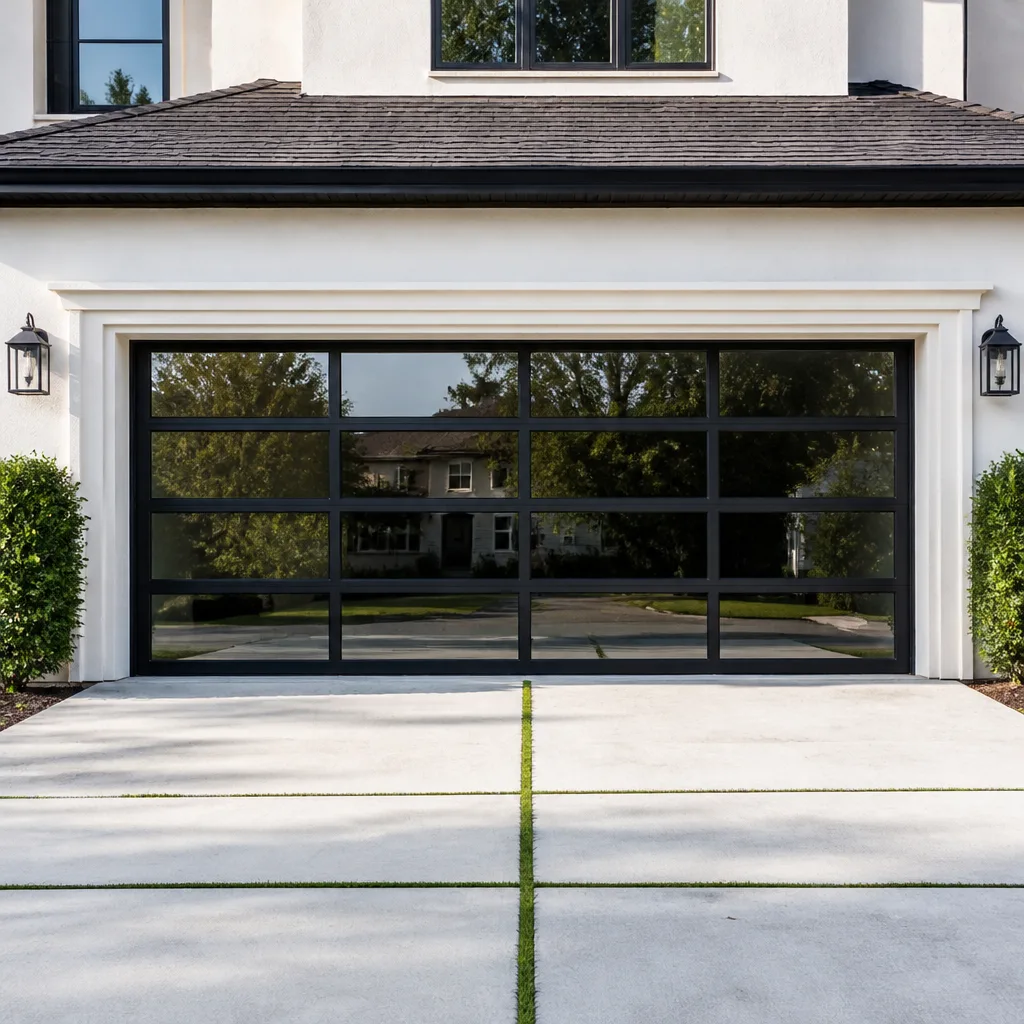 Full-view glass
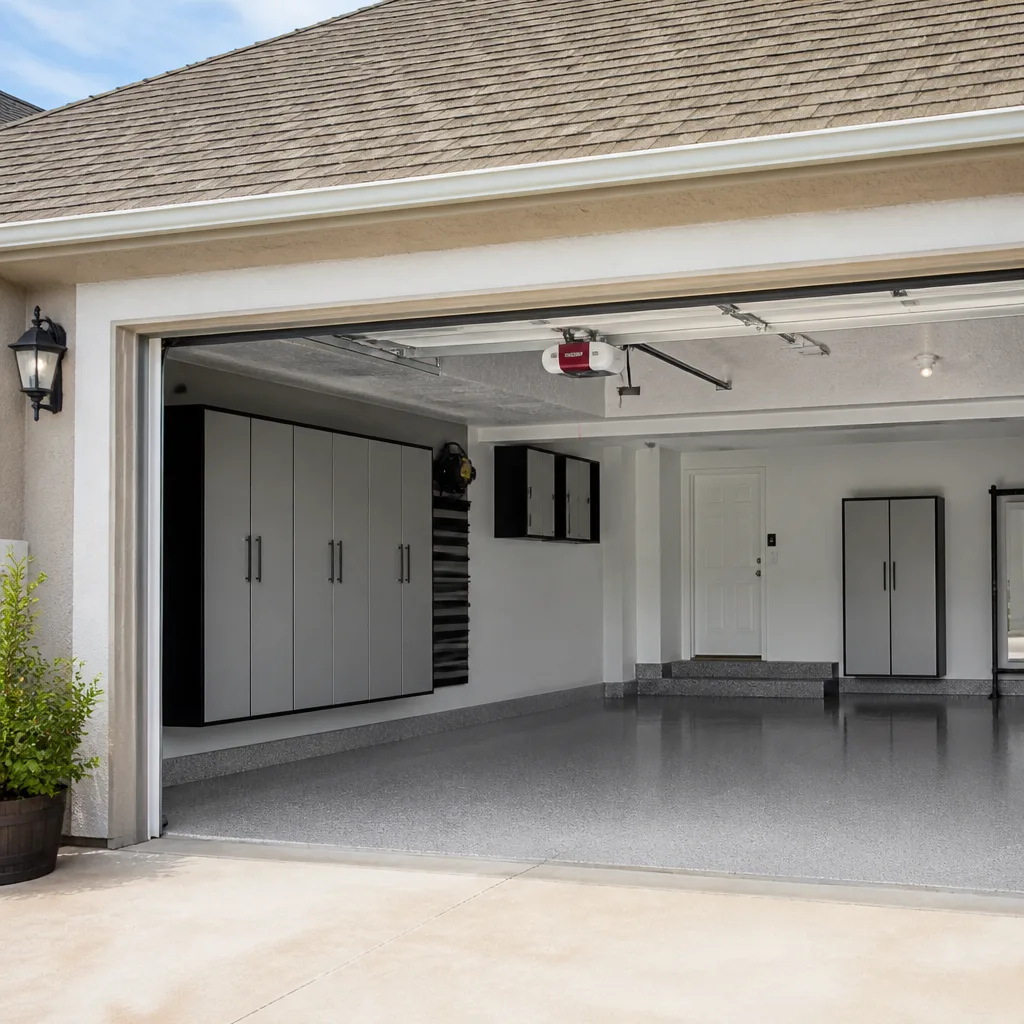 LiftMaster openers
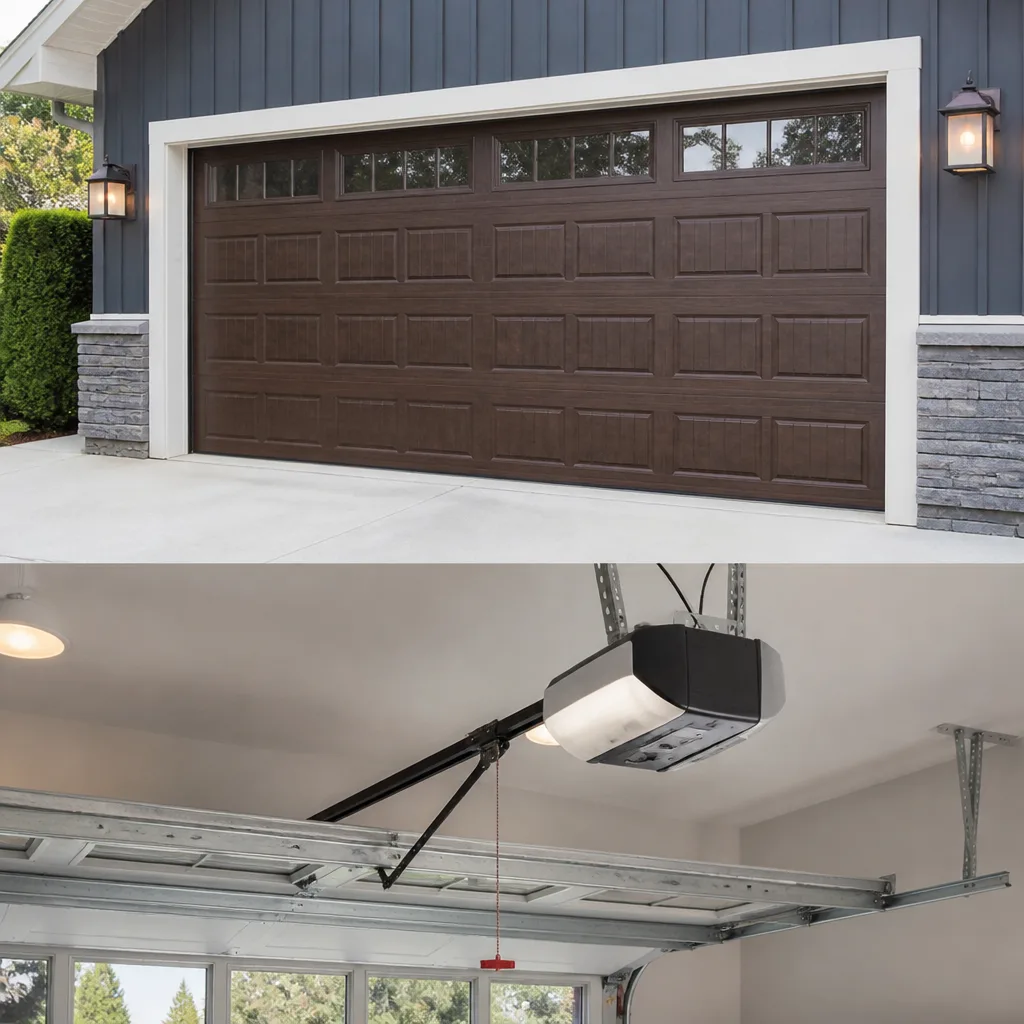 Chamberlain openers
Full 25-point door and opener safety check with every visit - springs, cables, rollers, tracks, and your LiftMaster or Chamberlain opener included
You get a price before we start. It does not change when the pro arrives.
Get your free estimateGarage Door Repair Maintenance Checklist for Mason Homeowners
Most homeowners assume a broken spring or a dying opener causes sudden garage door failure. It usually doesn’t. In our experience, the real culprit is dry rollers and unbalanced tension quietly building up over months of daily cycles, which nobody notices until something snaps. You walk past your door twice a day and never hear the warning. This checklist gives you a technician-grade routine you can actually run yourself: the right tools, the two 60-second tests that catch most developing problems, exactly what to lubricate and what to leave alone, and a simple log to hand a pro when you do call. It’s written for Mason homes and Mason weather.
Quick Answer
A proper garage door maintenance check in Mason takes about 20 minutes and covers four things: a visual pass for cable fraying and spring wear, a balance test with the opener disconnected, a close inspection of rollers and hinges, and correct lubrication of the moving metal parts (never the tracks or the bottom seal). Run it twice a year, in spring and fall, and keep a written log. If the door lifts hard, drifts down on the balance test, or makes a grinding or popping sound, stop using it and call a professional.
Styles & brands we work with
- Raised-panel steel
- Carriage house
- Modern flush
- Full-view glass
- LiftMaster openers
- Chamberlain openers
Table of Contents
- The Only Tools You Actually Need
- The Balance Test: 60 Seconds That Reveal Most Problems
- The Disconnect Test and Why It Matters
- What to Lubricate, What to Never Touch, and Why
- Inspecting Cables and Springs Without Touching Them
- How Mason Weather Affects Your Door
- Your Maintenance Log: What to Record and Why
- Safety Rules for Any Home Inspection
The Only Tools You Actually Need
You don’t need a rolling toolbox to check your garage door. In our experience, most valuable inspection work is done with your eyes, your ears, and your hands. A short list of household items covers a proper home check, and buying more than this is usually wasted money.
Here’s what actually earns its place:
- A step stool or short ladder. You need to see the top of the door and the torsion hardware without reaching, and you should never balance on a chair to inspect a moving door.
- A flashlight. Garage lighting hides cable fraying and hairline cracks. A strong beam shows you what ambient light won’t.
- A garage door lubricant made for the job, not a general household spray. More on this in the lubrication section, because this is where most DIY mistakes happen.
- A rag. Wiping old grease and grit off rollers before you add anything keeps the new lubricant working.
- A notebook or phone note. Your log is only useful if it’s written down. Date, cycle count, anything that sounded off.
- Work gloves. The bottom brackets and hinges have sharp edges, and gloves keep you from putting your hands where they don’t belong.
What you don’t need: a socket set, a torque wrench, or anything for adjusting springs or cables. Those aren’t home-inspection tools, because that work isn’t a home-inspection job. If a checklist tells you to grab a wrench and “tighten the spring,” close it and walk away.
What to skip
Skip anything that asks you to loosen, tighten, or remove a spring, cable, or bottom bracket. Skip pressure-washing the door panels. Skip “adjusting the tracks” with a hammer. On a Wayne Dalton or Amarr door, the track geometry is set to the manufacturer’s spec and bending it back by hand introduces more problems than it fixes. If a track looks out of line, note it and call a professional.
The Balance Test: 60 Seconds That Reveal Most Problems
The balance test is the single most useful thing you can do to your garage door. It tells you whether the spring system is carrying the door’s weight correctly, which is the difference between a door that lasts and one that eats its opener. A door that fails this test is already putting strain on every component.
Here’s how it goes, and note that this test is done by hand, with the opener off:
- Close the door fully. Make sure nothing and no one is in the path. This is the only moment in the whole routine where the door is moving.
- Pull the red manual release cord to disconnect the door from the opener. The door is now under spring tension only.
- Lift the door with one hand to about waist height and let go. Don’t force it; the springs should make it feel light.
- Watch what the door does. A balanced door stays exactly where you leave it. Here’s what the other outcomes mean.
A door that drifts down on its own has springs that have lost tension or a cable that’s slipped off a drum. A door that rises on its own is over-tensioned, which overloads the opener and the springs. A door that feels heavy to lift, or that you can’t lift at all, is a door that needs a professional. Don’t keep lifting it to test the theory. Pick up the phone instead.
For Mason homeowners, the balance test is worth running after every significant temperature swing. A 40-degree drop overnight in a Mason winter, or the humidity spike of a Mason summer, changes how a spring behaves. A door that passed in October can fail in January without any visible damage.
The Disconnect Test and Why It Matters
The disconnect test answers a different question: is your opener doing its job, or is it working overtime to drag an unbalanced door up and down? A garage door opener is designed to lift a balanced door. If it’s lifting an unbalanced one, it’s burning through its motor and gear assembly year by year.
The test:
- With the door closed and the opener engaged, press the wall button. Listen for anything other than a smooth hum: grinding, a clunk, a stutter.
- Watch the door as it opens and closes. It should move at a steady pace. A door that lurches, pauses, or reverses mid-travel has a problem with its opener or its safety sensors.
- Slide something flat and low like a broom handle across the safety sensor beam while the door is closing. The door should reverse immediately. If it doesn’t, the sensors need attention before you use the door again.
- Test the manual release. Pull the red cord and confirm it disconnects cleanly. Then re-engage it and run the door once to confirm the opener picks it back up.
If the opener strains to lift the door with the balance test passing, the problem is in the opener itself, not the springs. A LiftMaster or Chamberlain unit might have a worn drive gear. A Genie might have a stripped trolley. A Craftsman might have a failing logic board. These are different failure modes, and they’re exactly why brand-specific knowledge matters when the time comes to fix one.
One more note: never skip the safety sensor test. The sensors are the single most important safety feature on your door, and they’re the easiest part of the system to nudge out of alignment with a stray broom or a bump from a car bumper.
What to Lubricate, What to Never Touch, and Why
This is where most online checklists get it wrong. “Lubricate the tracks” is bad advice, and “use WD-40” is worse. Let’s get specific, because doing this correctly adds years to your door’s hardware and doing it wrong creates problems you’ll pay to fix.
The right lubricant: a garage door or lithium-based lubricant designed for the job. These stay put under load and don’t gum up in cold weather. White lithium grease or a purpose-made garage door spray both work.
The wrong lubricant: WD-40. It’s a great product for many things and a poor choice here. It’s a solvent and water displacer, not a lasting lubricant. It thins out fast, attracts grit, and leaves your rollers and hinges drier than they started. If you’ve already sprayed your tracks with it, wipe them down and start fresh with the right product.
Lubricate these parts
- Rollers (the shafts, not the wheels themselves). Two or three drops at each roller stem.
- Hinges at each pivot point. One small shot per hinge.
- Bearing plates at the ends of the torsion tube.
- The top of each track’s curved section, none of the straight run.
Never lubricate these parts
- The bottom seal. Lubricant breaks down the rubber. It’s meant to run dry against the floor.
- The straight section of the tracks. Rollers need to roll along the tracks, not slide. Lubricant on the tracks turns rolling into sliding and causes the door to bind.
- The springs and cables. No lubricant, no wiping, no touching. Leave them alone entirely.
- The opener rail’s chain or belt unless the manufacturer’s manual calls for it. Some chains are meant to run dry.
At least once a year for a door that runs daily, and twice if you live with kids or pets in and out constantly. A Clopay or Raynor door that gets proper roller and hinge lubrication runs quieter, lasts longer, and gives your opener a much easier life.
Inspecting Cables and Springs Without Touching Them
Here’s the hard rule: you can look at your springs and cables, but you cannot touch them. A torsion spring on a residential door is held under extreme tension and can cause serious injury if it fails while someone is working on it. Same for the cables. Springs are dangerous, and this is work to leave to trained specialists.
What you can do is a careful visual check with a flashlight, hands off, fifty percent of the way to the floor:
What to look for on the springs
- Gaps or rust runs in the coil. A crack usually starts as a thin rust line.
- A gap of a full turn somewhere in the coil, which suggests a section has broken and the door is holding on the other spring alone.
- Visible sagging of the torsion tube across the top of the door.
- Paint loss or stretching on extension springs, if your door uses them instead of torsion.
What to look for on the cables
- Frayed strands near the drum or the bottom bracket. Any visible fraying means the door should not be operated until a professional sees it.
- Cables that have slipped off a drum and are tangled or looping.
- Kinks or a cable under uneven tension on one side of the door versus the other.
Any of these findings is a stop signal. Don’t run the door to “see if it’s really a problem.” Call us for garage door spring repair and let a trained technician confirm what’s happening. A door that’s holding on one broken spring is an accident waiting on which side drops first.
How Mason Weather Affects Your Door
Mason’s climate is a real factor in how fast a door wears out, and it’s one most generic checklists ignore. The Ohio Valley pattern of cold winters and humid summers works on garage door components in two ways at once.
Winter contractions. When temperatures drop below freezing, the steel in springs and hinges contracts. Lubricant thickens. Doors that were perfectly balanced in October can feel stiff and handle oddly by January. Metal becomes more brittle, which means a spring at the end of its service life is more likely to snap in cold weather than in mild weather. This makes late fall the most important time to run your inspection.
Summer humidity. Ohio’s humid summers attack unpainted steel fast. Roller shafts rust. Hinge pins need lubrication more often than in a drier climate. Rust runs are also how we find cracked springs before they break, because the split shows up as a rust line first.
Temperature swings and opener sensors. Large swings between an early Mason morning and a mid-afternoon warm-up can fog the safety sensors or shift the alignment slightly. If the door won’t close and the sun is low, check whether the sensors are facing each other dead-on before you assume the opener is failing.
For Mason homes, this translates to a schedule: check the door in October before the first hard freeze, and again in April when the humidity starts. That’s two 20-minute sessions a year, and they will catch most of what costs real money later.
Your Maintenance Log: What to Record and Why
A written log makes every future repair faster and cheaper to diagnose. When we arrive at a door, the log tells us more in 30 seconds than an hour of guessing. It also tells you, at a glance, whether a problem is new or has been quietly building for a year.
Keep it simple. A single page per year works. Here’s what to record:
- Date of inspection. Two entries a year is typical.
- Cycle count if your opener has it. Many LiftMaster and Chamberlain openers track this. A cycle is one open-and-close. Higher-end openers sometimes call for service at certain cycle counts, and you can’t track that without a note.
- Balance test result. Pass, drifts down, drifts up, or heavy.
- Anything you heard. Squeak, grind, pop, rattle, or nothing. Write down what it sounded like and where.
- Lubrication done? Which date, and what you lubricated.
- Visual findings. Any rust, cable fraying, or gap in the spring coil.
- Door model and brand. Clopay, Amarr, Wayne Dalton, Raynor, or whatever’s on the label. Worth writing down once, at the top of the page.
- Opener model and brand. Same idea.
- Any repairs done, and by whom. Including dates. The next technician will thank you.
If you’ve only had the door a few years and you don’t have a log, start one now. Even a partial history is unusually useful when the day comes that the door won’t close and you need to know whether it’s a new problem or the same one that’s been lurking.
Safety Rules for Any Home Inspection
A few rules apply to every home inspection, without exception:
- Never put your hands between moving parts. No exceptions, no “just for a second.”
- Keep kids and pets out of the garage while you’re running the door for a test.
- Never touch, adjust, or move a spring or a cable. They’re under extreme tension and can cause serious injury.
- Never run the door if the balance test failed. Stop and call.
- Never disable the safety sensors to get the door to close. If the sensors are the problem, that’s a repair, not an inconvenience to work around.
- If the door is off its track or hanging by one hinge, don’t try to force it back onto the track. Propped doors and dropped doors are how homeowners get hurt.
A trained eye through garage door repair catches what a home inspection can’t. Our technicians have up to 9 years of experience with the hardware you’re about to check, and they know which findings are cosmetic and which are safety concerns.
Common Mistakes to Avoid
- Spraying WD-40 on the tracks. It’s a solvent, not a lasting lubricant. It attracts grit and thins out fast, so you end up with a louder door and a bigger cleaning job. Use a proper garage door lubricant, and use it on rollers, not tracks.
- Lubricating the bottom seal. Oils and sprays break down rubber. The bottom seal is designed to run dry, and a greased seal picks up grit off the Mason driveway and wears out faster.
- Lifting or working on a spring. The most common serious garage door injury at home comes from trying to help a spring along. If a spring is broken, the door needs a professional, full stop.
- Ignoring a door that rises on its own. Over-tensioned springs push the opener past its design limits. A door that creeps up during the balance test is putting stress on your opener every time you open it.
- Skipping the fall inspection. Mason’s first hard freeze turns marginal springs brittle overnight. An October check catches cracking steel while it’s still inspectable; a January check finds out the hard way.
- Forcing the door when it’s off its track. A door hanging partway off the track can drop without warning. Leave it parked and get help.
- Not writing anything down. A quiet squeak that appears one evening and disappears the next is information. If you don’t write it down, it’s lost by the time a technician could use it.
See the difference
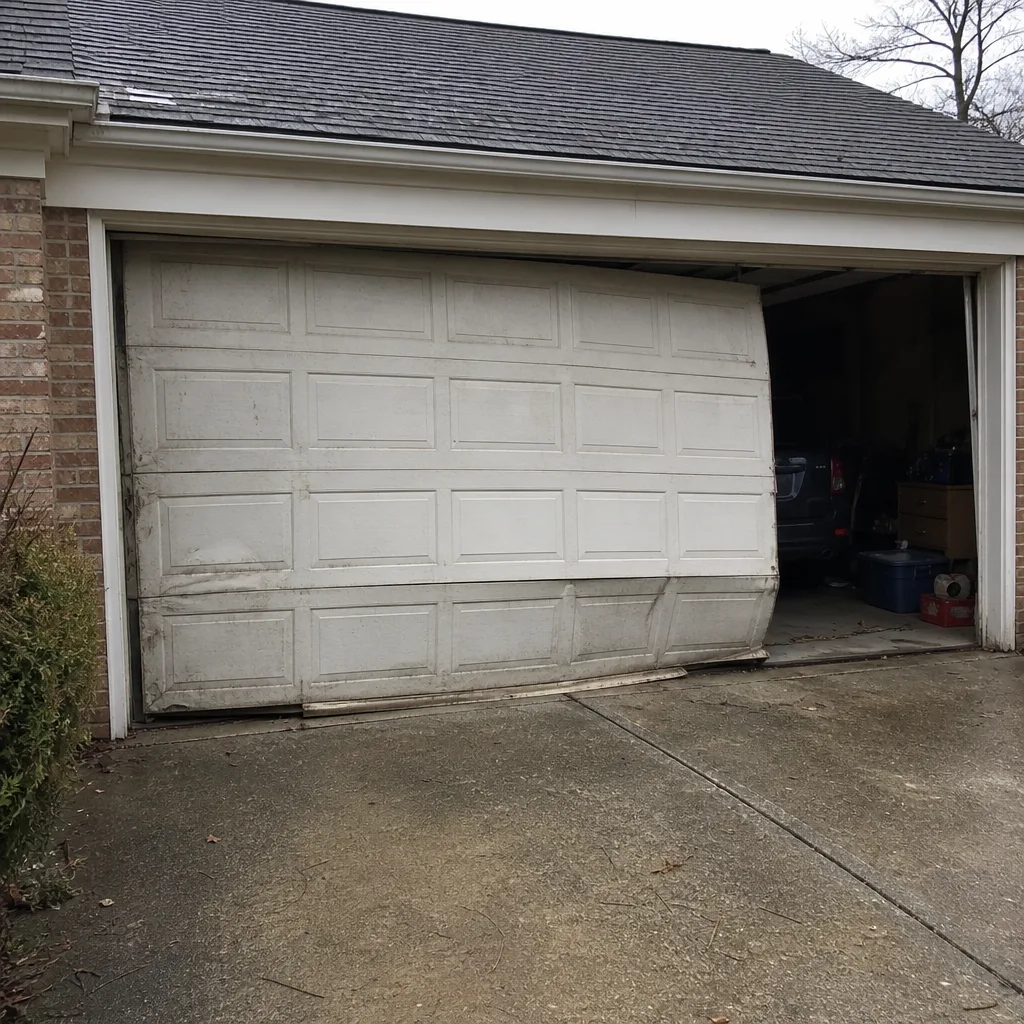 Before
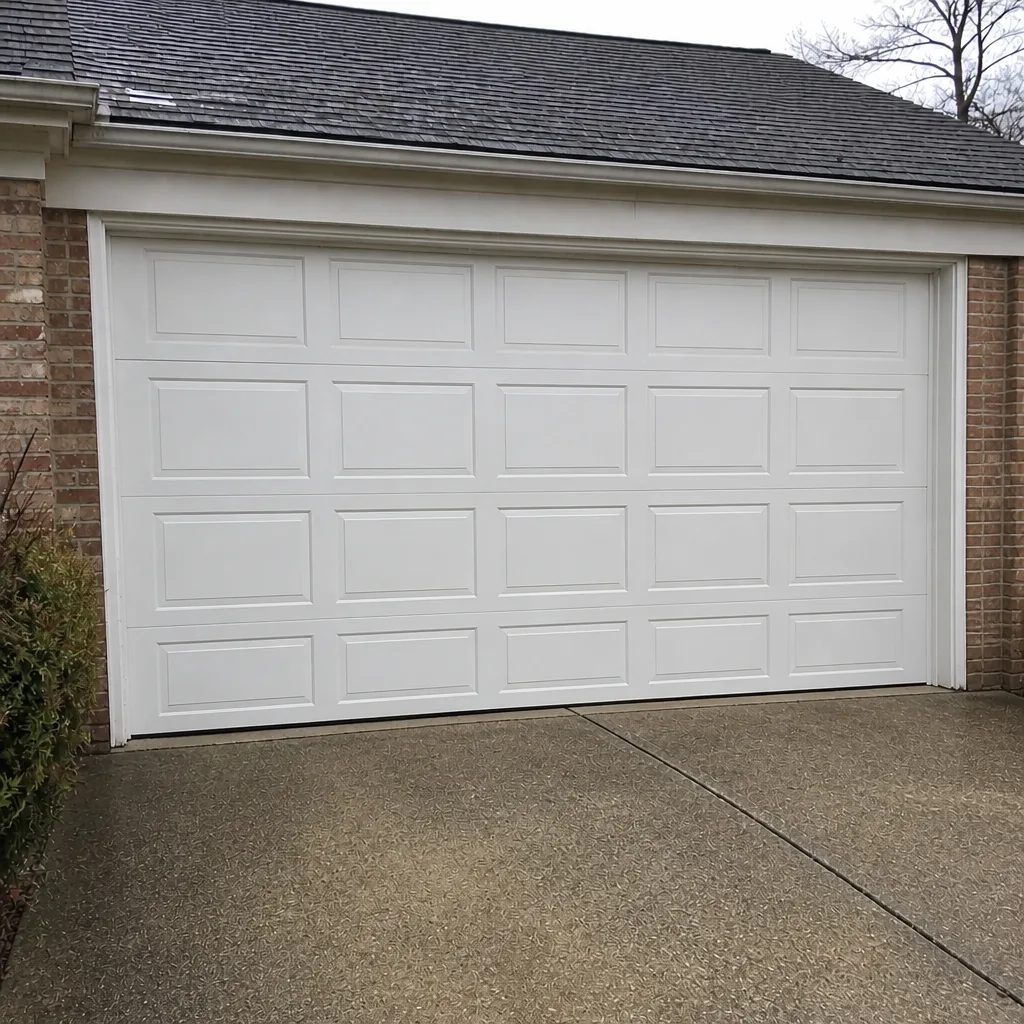 After
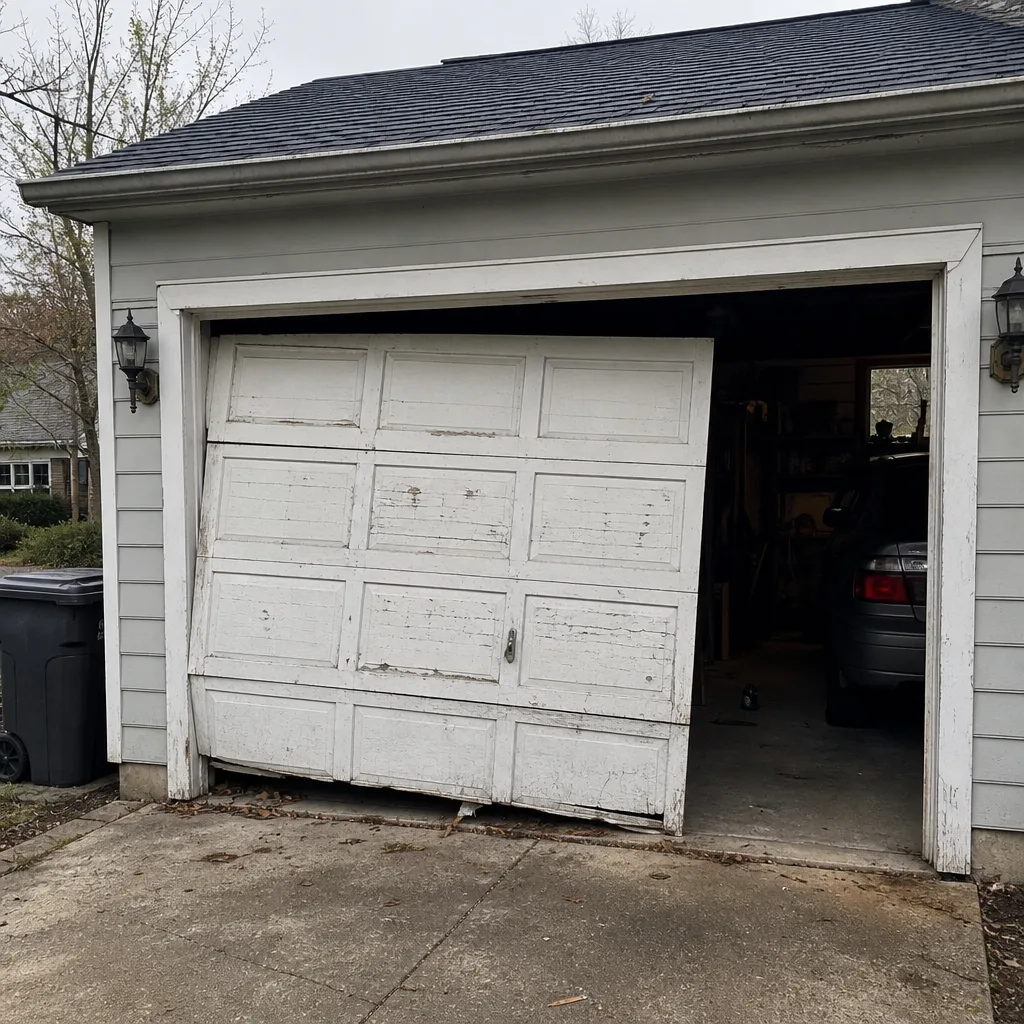 Before
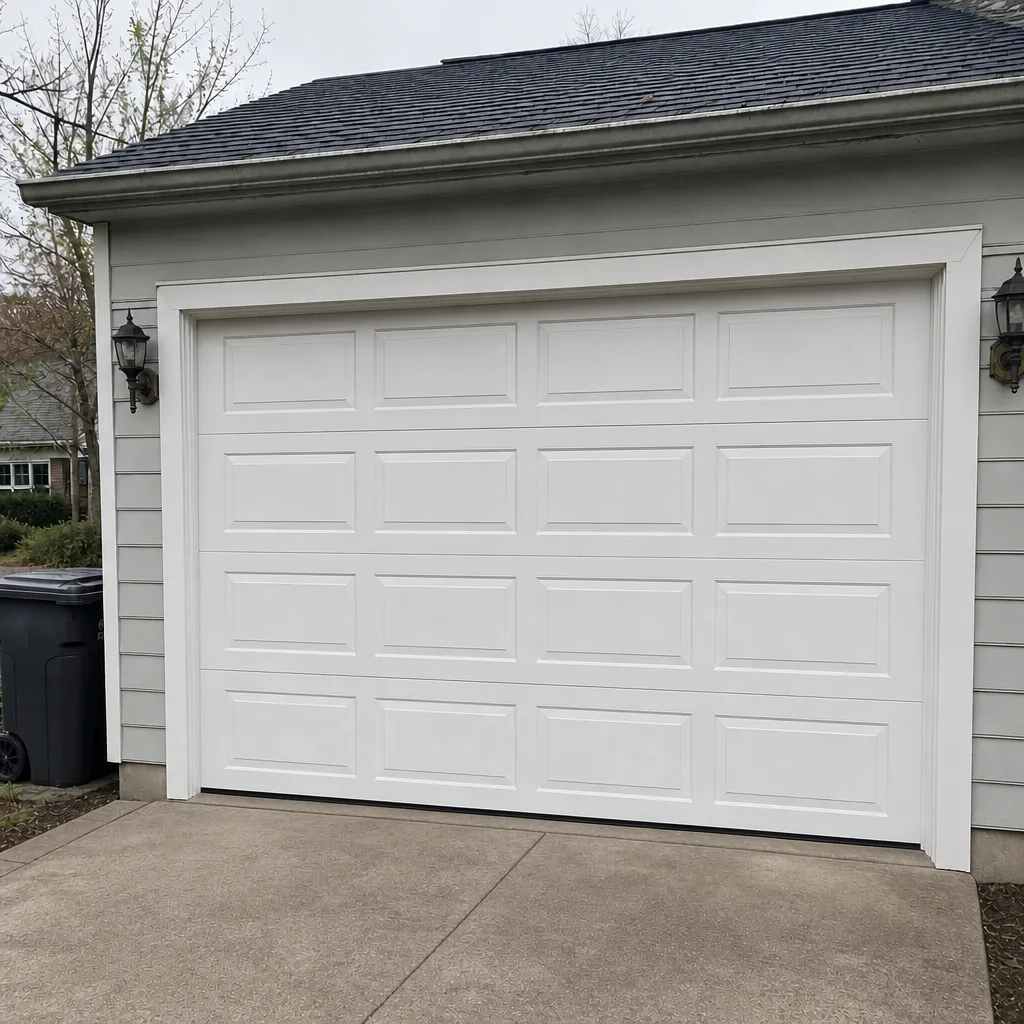 After
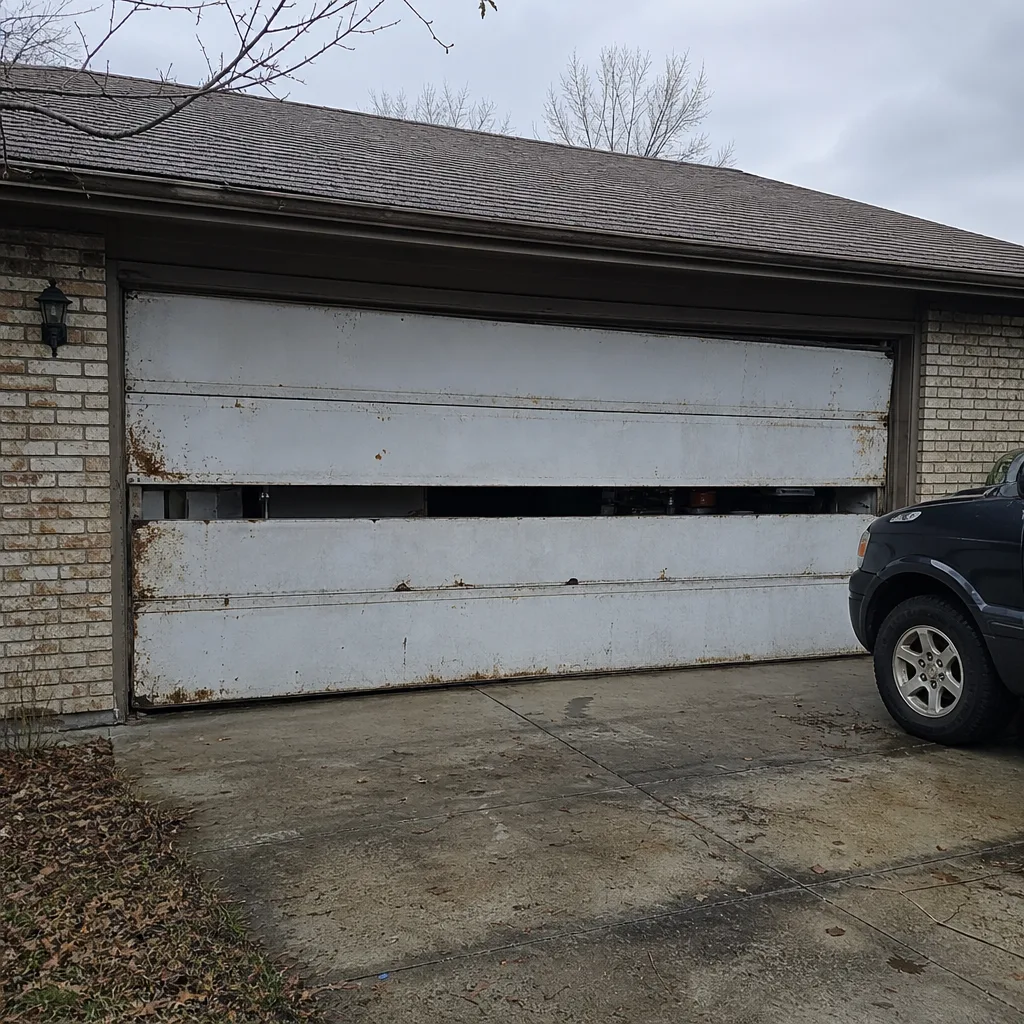 Before
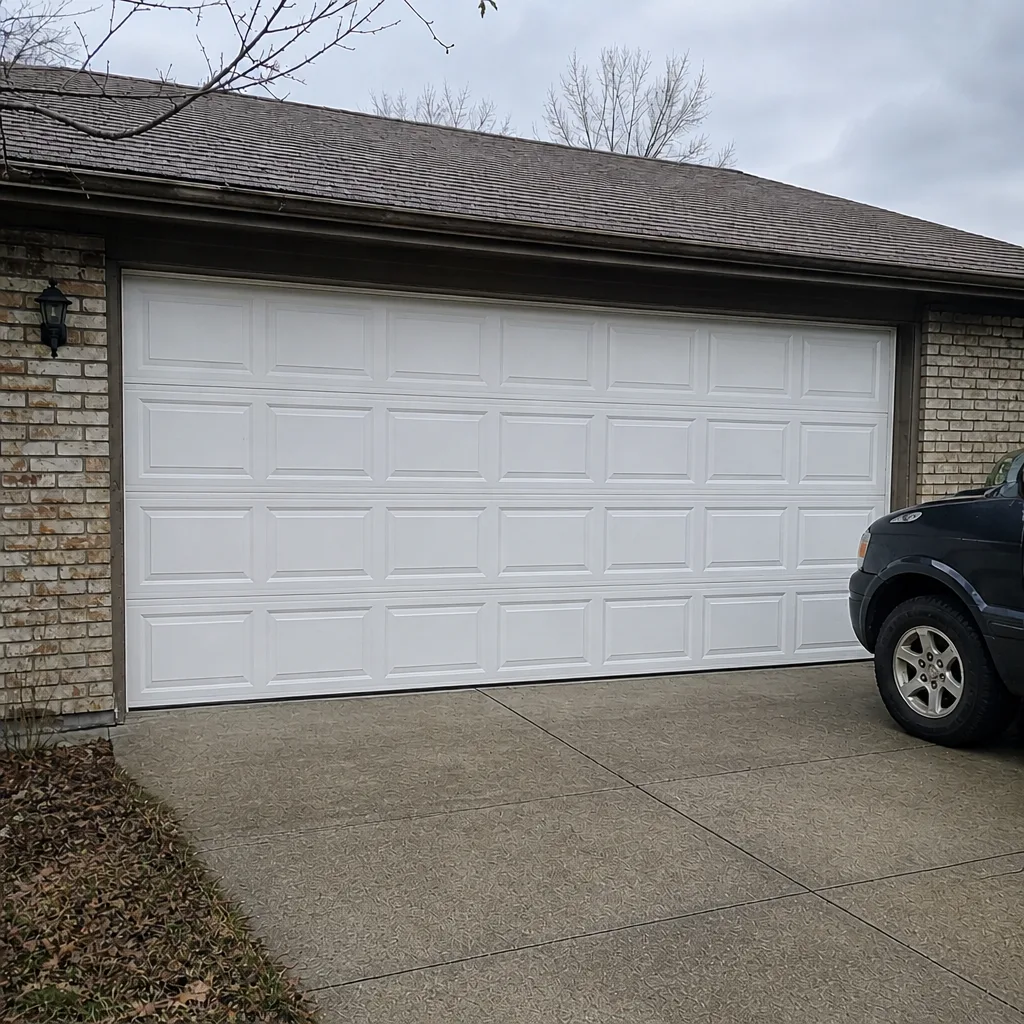 After
When to Call a Professional
Call a professional – not eventually, but before the next cycle – for any of these:
- The balance test fails. The door is heavy, drifts down, or drifts up.
- You can see frayed cables, a gap in the spring coil, or a cable off its drum.
- The door comes off its track or hangs crooked.
- The opener grinds, strains, or reverses mid-travel even with a balanced door.
- The safety sensors won’t let the door close, and a simple alignment check doesn’t fix it.
- The door makes a bang or pop and won’t open.
- You’ve inherited a house where you have no maintenance history, and the door has been running for years without anyone looking at it.
Garage Door Repair Mason offers free estimates in Mason. Call (844) 625-7206. We answer 24/7, fast dispatch from 7am to 7pm Sunday through Friday, and we work on the brand you already have – whether that’s opener service through garage door opener repair or a full replacement. The price is quoted and agreed before any work starts, so there’s no surprise on the invoice.
Frequently Asked Questions
Twice a year: once in fall, once in spring. Mason’s cold winters and humid summers both stress the hardware, and a fall inspection catches brittle springs before the first hard freeze. If your door runs more than six or seven times a day, add a third check around mid-summer. The routine takes about 20 minutes.
Yes, for rollers, hinges, bearing plates, and the top curved part of the tracks. Use a lithium-based or garage door specific lubricant, not WD-40. Never lubricate the bottom seal, the straight run of the tracks, the springs, or the cables – those should stay dry. If you’re not sure, ask us when we’re out.
A torsion spring sits on the horizontal shaft above the door and winds under tension. An extension springs runs alongside the track above the door, usually with two on a residential door. Both can cause serious injury if handled incorrectly, and neither should be touched during home maintenance. We work on both at Garage Door Repair Mason.
Most often it’s the safety sensors. One of them got bumped, is fogged up, or has lost its alignment, so the opener reads it as an obstruction and reverses. Check that both sensors are facing each other, clean the lenses, and check that the LEDs are lit. If that doesn’t fix it, the sensor or its wiring needs attention and we’d rather see it than have you guess.
No. WD-40 is a solvent and water displacer, not a lasting lubricant. On tracks it strips what’s there and attracts grit, and on rollers it wears off fast. Use a proper garage door lubricant, on the rollers and hinges, and leave the tracks dry. Rollers need to roll, not slide.
Date, cycle count if your opener tracks it, balance test result, any sounds you heard, what you lubricated, and any visual findings like rust or cable fraying. Add the door brand and model once at the top. The log makes a technician’s diagnosis much faster and stops you from re-investigating the same problem twice.
Springs are replaced, not repaired. If your balance test fails, the door is stiff to lift, or there’s a visible gap or rust run in the coil, the spring needs replacing. A single spring repair is quoted for one spring; a matched pair that’s replaced together typically costs roughly twice a single spring. For a door where one spring has failed, the second usually isn’t far behind, and replacing both at once is the standard approach.
We service the full range of the major brands, including LiftMaster, Chamberlain, Genie, Clopay, Amarr, Wayne Dalton, Craftsman, and Raynor. Our technicians have up to 9 years of experience, so we know each brand’s typical failure modes and can diagnose them faster than a generalist. For a door you already own and want working again, one call handles it.
The balance test. Most homeowners check the door visually and clean the tracks, and they never disconnect it to see whether the springs are actually carrying the weight. That one test tells you more than any other step on the checklist. If you haven’t done it in a year, do it this weekend – eyes and ears open, no tools needed.
The Bottom Line
A garage door repays maintenance more than almost anything else in a Mason house. Run the balance test and the disconnect test every time; lubricate rollers and hinges with the right product; leave springs, cables, and the bottom seal strictly alone; and keep a written log so a technician can pick up where you left off. Do that twice a year, and you’ll catch cracked springs, fraying cables, and tired rollers long before they strand your car. When something in the checklist fails, we’re here for it.
Call (844) 625-7206 for a free estimate on any garage door repair, opener service, or new door installation. We answer 24/7, and a call outside dispatch hours is booked into the next opening, Sunday through Friday, 7am to 7pm. The written estimate sets the price before we start.
Written by the team at Garage Door Repair Mason.