
Last updated November 23, 2026
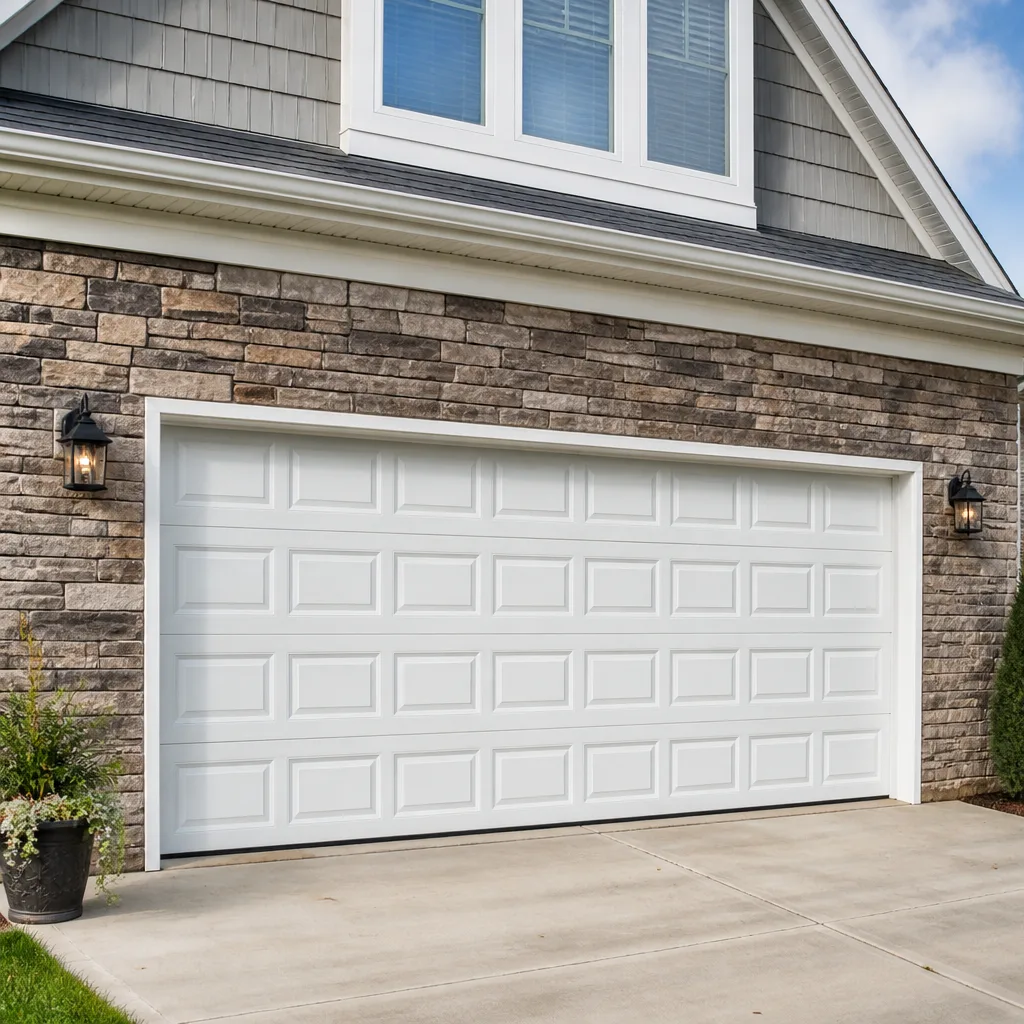 Raised-panel steel
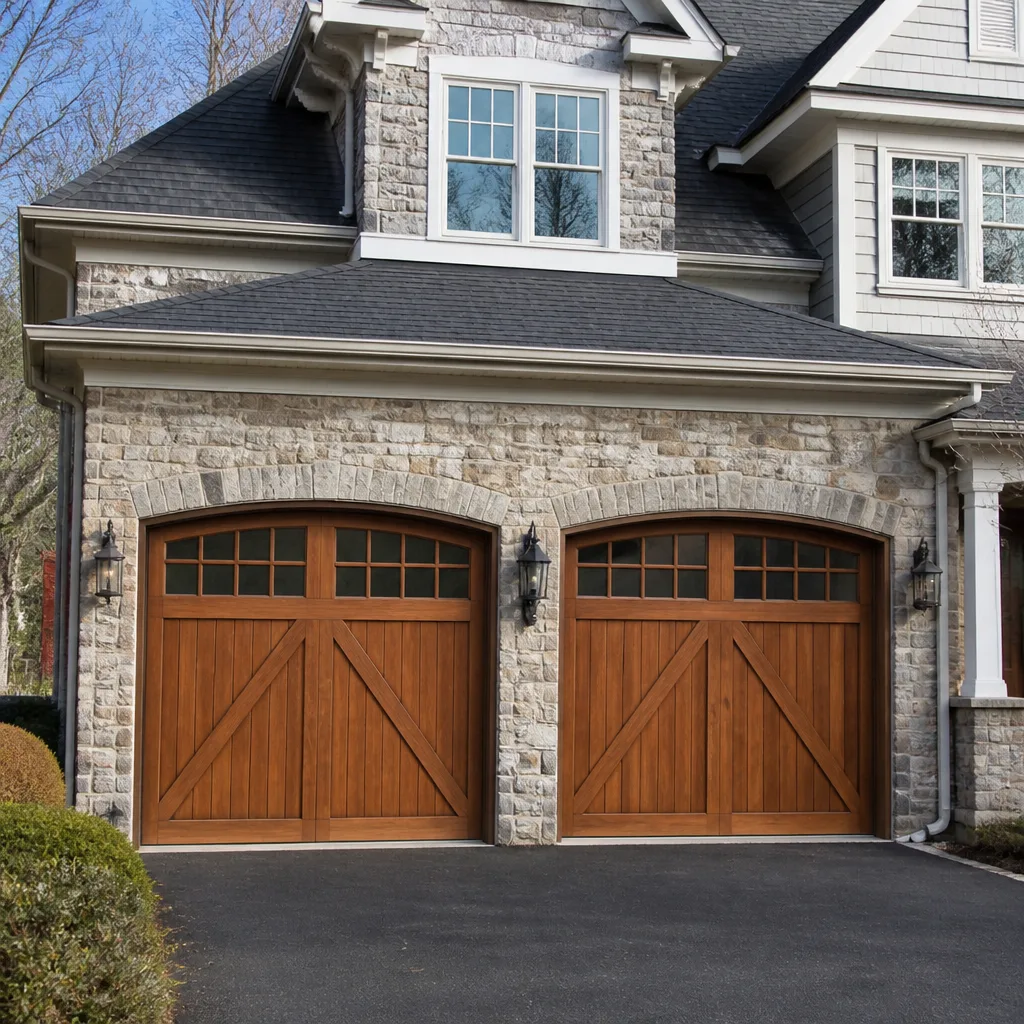 Carriage house
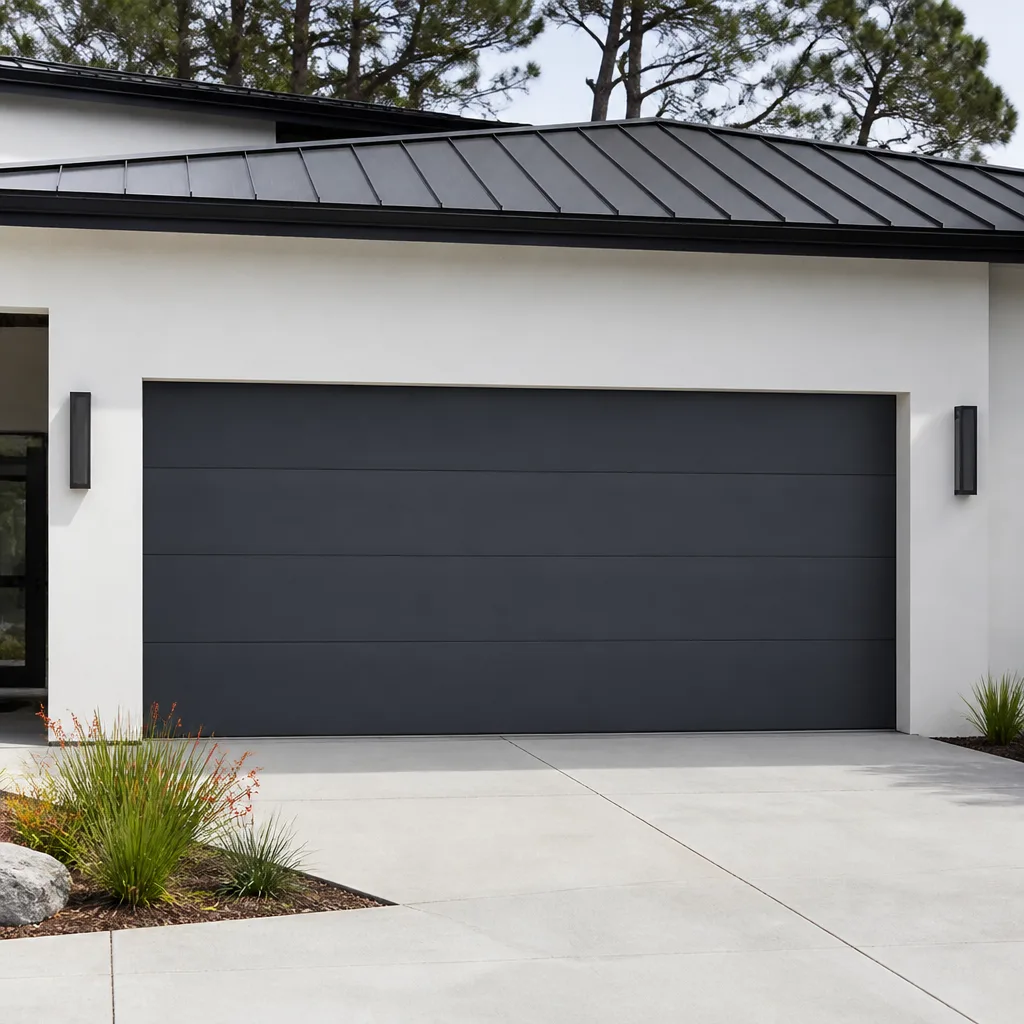 Modern flush
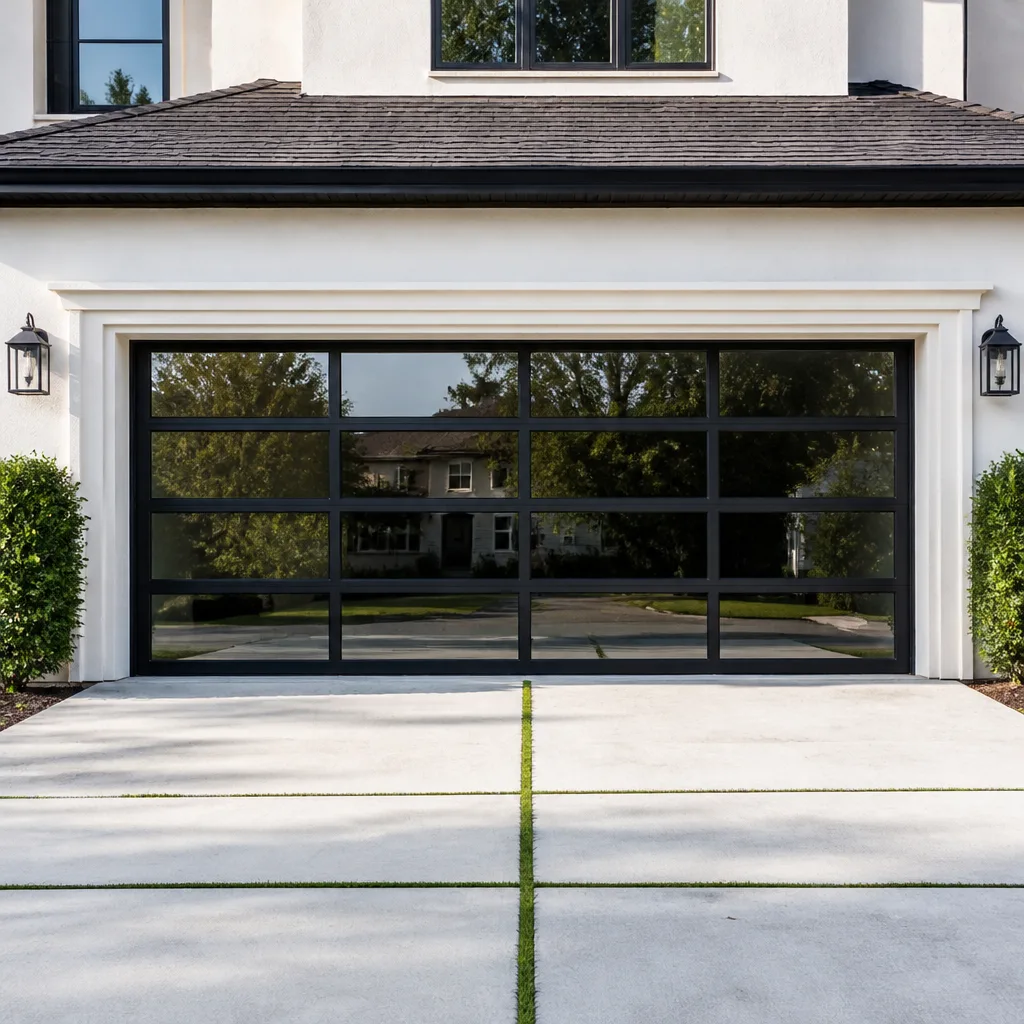 Full-view glass
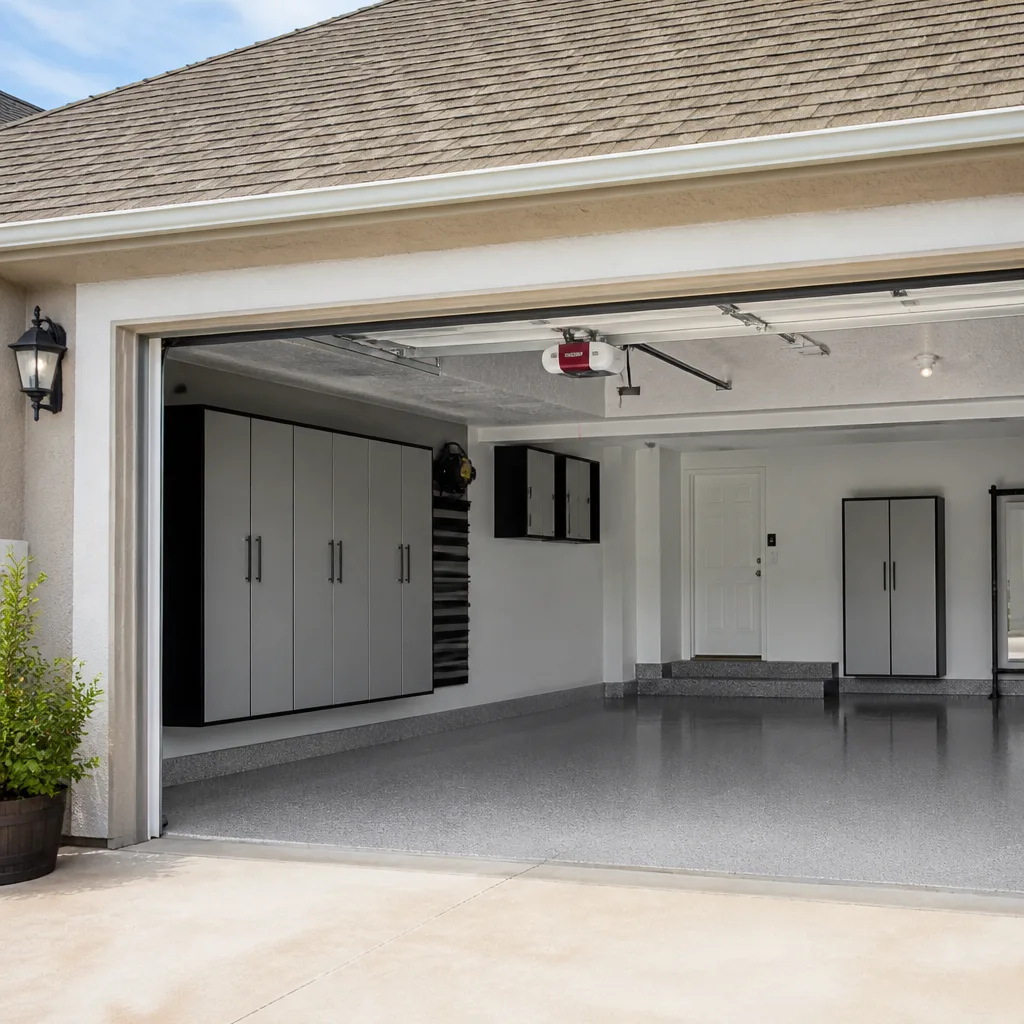 LiftMaster openers
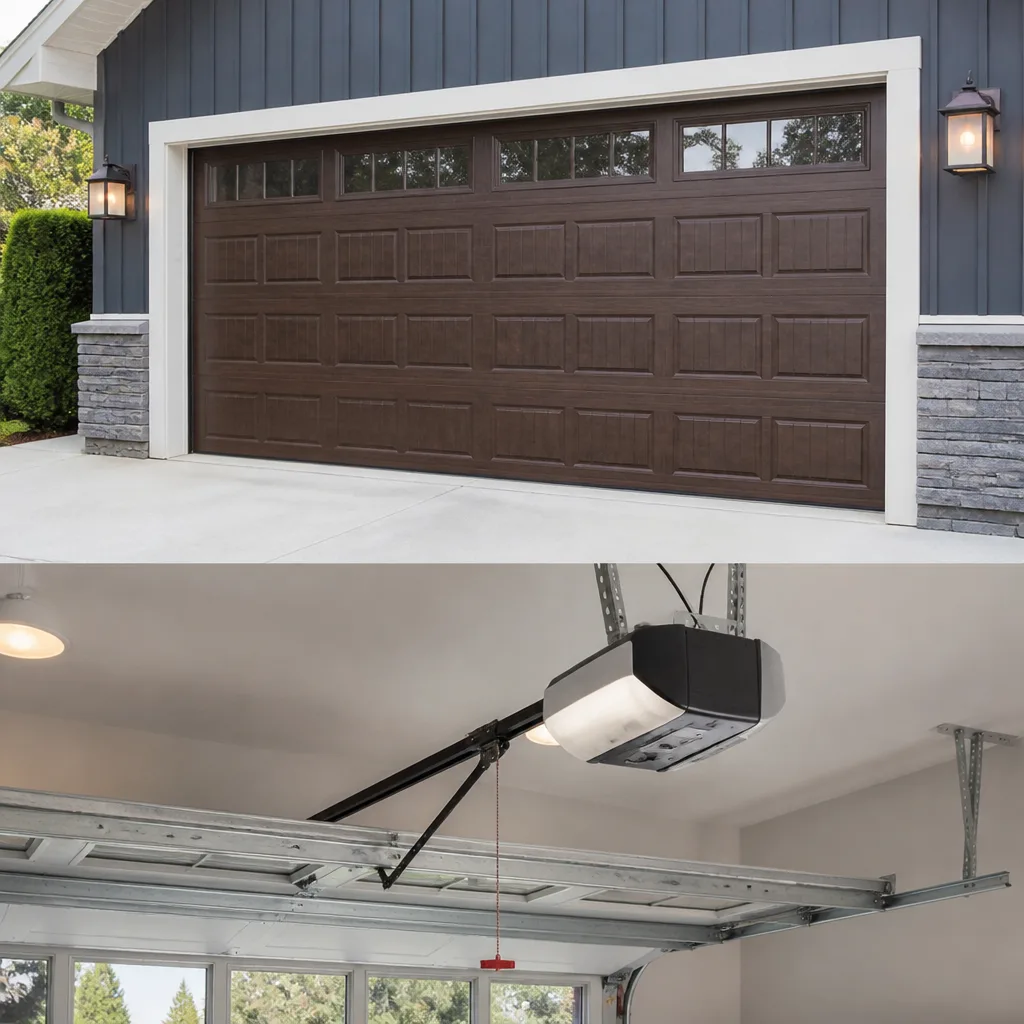 Chamberlain openers
Full 25-point door and opener safety check with every visit - springs, cables, rollers, tracks, and your LiftMaster or Chamberlain opener included
You get a price before we start. It does not change when the pro arrives.
Get your free estimateDIY vs Professional Garage Door: The Mason Homeowner’s Decision Guide
Here’s the counterintuitive part about working on your own garage door: the question isn’t whether you’re handy. It’s which component you’re touching. The same homeowner who safely swaps a bottom seal or realigns a photo-eye can get seriously hurt reaching for a torsion spring, because that spring stores enough energy to break a bone or worse when it lets go. Conflating “I fixed my weatherstripping” with “I can replace my spring” is where people end up hurt. This guide draws a hard line between the two, with honest costs for Mason and a clear look at the middle path where your own prep work lowers the bill.
Quick Answer
Weatherstripping, bottom seals, sensor alignment, and lubrication are genuinely DIY-safe. Torsion springs, extension springs, cables, and full door installation are not, and should go to a trained technician. For Mason homeowners, doing the safe tasks yourself saves real money, but touching a spring or cable to save a labor charge is a bad trade against the risk of serious injury and the cost of undoing a botched repair.
Styles & brands we work with
- Raised-panel steel
- Carriage house
- Modern flush
- Full-view glass
- LiftMaster openers
- Chamberlain openers
Table of Contents
- The Line That Matters: Safe DIY vs. Leave It Alone
- What You Can Genuinely Do Yourself
- What Belongs to a Professional
- The Real Cost Comparison in Mason
- Why “I Watched a Video” Works for Some Jobs and Fails for Others
- The Middle Path: Prep Work That Lowers Your Bill
- What a Botched DIY Repair Costs to Undo
- Mason Climate and Your Garage Door
The Line That Matters: Safe DIY vs. Leave It Alone
The useful way to sort garage door tasks isn’t by how hard they look. It’s by how much stored energy is involved and what happens if a part lets go at the wrong moment. A door at rest with the spring under tension is a machine holding force, and some of that force is waiting for a mistake.
Think about it in two categories. Low-energy tasks involve seals, sensors, tracks, and lubrication. If something slips, the worst case is usually a bent bracket or a door that won’t close until you fix it. High-energy tasks involve springs and cables. These parts are under load, and releasing that load incorrectly can send metal across the garage or into a hand. That distinction drives everything else in this guide.
We’ve seen the confusion play out in Mason homes again and again. A homeowner watches one good tutorial on adjusting a safety sensor, gains confidence, then applies that same confidence to a snapped spring. The mechanical reality is completely different. A sensor is a small electrical alignment job. A torsion spring is a stored-energy device that requires specific tools, winding bars, and a working knowledge of how many turns the spring needs for your door’s weight and height.
So the honest answer to “can I DIY my garage door?” is: partly yes, partly absolutely not. The rest of this guide sorts every common task into one column or the other so you’re not guessing in the moment.
What You Can Genuinely Do Yourself
These tasks are within reach for a careful homeowner with basic tools. None of them involve stored spring tension, and mistakes are recoverable.
- Replace bottom weatherstripping and side seals. If you can measure, cut, and fasten a rubber or vinyl seal to the bottom of the door, you can do this. It’s the single most common wear item on a Mason door and the most forgiving to replace.
- Align or clean the safety sensors. If your door reverses for no reason, the photo-eye near the floor is usually the culprit. Wipe the lenses, check that both sensors point at each other, and confirm the indicator light on each is solid.
- Lubricate hinges, rollers, and tracks. A garage-door-rated lubricant on the moving metal parts quiets a squeaky door and slows wear. Keep it off the tracks’ travel surface and off rubber seals.
- Test the auto-reverse. Put a small object in the door’s path and confirm the door reverses on contact. This is a safety check, not a repair, and it’s worth doing monthly.
- Clear and inspect the tracks. Look for dents, debris, or loose brackets. If a track is visibly bent, though, stop and call – straightening a track wrong can throw the door off balance.
Notice what’s missing from that list: springs, cables, and anything that requires lifting the door’s weight. Those aren’t on the DIY side for a reason, and the next section explains why.
What Belongs to a Professional
These are the tasks where a mistake doesn’t just cost money, it can hurt you. They require the right tooling plus an understanding of how much tension is stored and how to release it safely. For each of these, we recommend a trained technician, full stop.
- Torsion and extension spring replacement. A torsion spring holds the full weight of the door in reserve. Replacing one means winding and unwinding that tension with winding bars, counting turns precisely, and keeping your body out of the release path. This is the task we treat as its own specialty at Garage Door Repair Mason, and it’s the one most worth leaving alone.
- Cable replacement. Cables carry the same tension and can whip if they snap or if a lift goes wrong. A frayed or slack cable is a stop-and-call situation.
- Full door installation or replacement. Getting a new door square, balanced, and properly anchored to the framing is a multi-step job that involves the door’s weight, the track geometry, and the opener’s limits.
- Opener diagnosis and repair. A dead or erratic opener could be a logic board, a stripped gear, a limit switch, or a remote pairing issue. Modern openers from LiftMaster, Chamberlain, and Craftsman have brand-specific failure patterns, and a generalist spends time guessing where a specialist goes straight to the likely cause.
If your door won’t open, the door is crooked, or you see a broken spring or a snapped cable, treat it as a professional job. That’s not a liability disclaimer. It’s the mechanical truth about what’s under load.
The Real Cost Comparison in Mason
Here’s where the DIY pitch usually falls apart: the parts are cheap, but the labor and risk aren’t free, and a wrong repair costs more to undo than a right one costs to do. The estimate below gives typical ranges for Mason, and the written estimate you receive sets the final price before any work starts.
| Task | DIY path | Typical professional range in Mason |
|---|---|---|
| Bottom seal / weatherstripping | Parts cost only, a modest amount for the seal | Often a small, straightforward repair |
| Sensor alignment / cleaning | No parts, just time | Usually handled as part of a larger visit |
| Lubrication and tune | Cost of a tube of door lubricant | Included in routine service |
| Single torsion spring replacement | Parts plus risk of injury and a botched job | Typically $180 to $340 for one spring |
| Matched spring pair | Same risk, twice the stored energy | About twice the single-spring range, since both are usually replaced together |
| Opener repair | Parts if you guess right | Set per job by written estimate after diagnosis |
Those spring numbers are for one spring; a matched pair runs about double because the pair is normally replaced together. Read the DIY column honestly. The spring is a few dollars of metal. The reason a pro charges what they charge is the tooling, the training, and the fact that a spring under tension is not a forgiving part. When a homeowner gets it wrong, the cost isn’t the spring – it’s the injured hand or the door hanging off its track.
For safe tasks, DIY often wins on pure dollars. For dangerous ones, the professional price is buying the removal of a real hazard, and that’s a fair trade. If you’re weighing a spring or opener job in Mason, ask for a free estimate and compare the written number against the risk you’d be taking on.
Why “I Watched a Video” Works for Some Jobs and Fails for Others
A good tutorial genuinely can teach you to replace a bottom seal or align a sensor. The mechanical reason is that those jobs don’t involve stored energy – if you fumble a seal, nothing hits you. The danger starts when the same tutorial approach meets a part that’s holding the door’s weight.
Think about what 100 foot-pounds of torque actually means. A torsion spring on a standard Mason door is wound to hold the full door weight in balance. That’s force sitting quietly in a coil, and when it’s released incorrectly – a winding bar slips, a cable lets go, a spring snaps mid-job – that stored energy goes somewhere fast. The video might show the right steps, but it can’t see your door’s weight, your spring’s wire gauge, or whether the previous owner already had it wound wrong. That’s the gap between “I watched it” and “I can do it safely.”
This isn’t about doubting your ability. It’s about respecting the physics. A weatherstripping video and a spring video look equally clear on a screen, but only one of them is asking you to manage a loaded mechanical system with your hands. A trained technician has the winding bars, the balance math, and the experience to know when a door isn’t behaving the way the video assumes.
The takeaway: use videos freely for the low-energy tasks. Use them to understand what a professional is doing, not to replace the professional on the high-energy ones.
The Middle Path: Prep Work That Lowers Your Bill
You don’t have to choose between doing nothing and doing it all. There’s a genuinely useful middle ground where your own diagnosis and prep work reduces the technician’s time on-site, and that can lower the bill. Here’s how a Mason homeowner can prepare.
- Write down the symptoms precisely. “Door goes up a foot and stops” tells a technician far more than “door is broken.” Note when it happens, whether it’s noisy, and whether the opener light flashes a code.
- Check the obvious safe items first. Confirm the sensors are aligned and the tracks are clear of debris. If that’s the whole problem, you may have just solved it yourself.
- Know your brands. Jot down the door and opener brands you own – LiftMaster, Chamberlain, Clopay, and so on. Brand-matched knowledge means the technician arrives already familiar with your hardware’s failure patterns instead of starting from scratch.
- Clear the work area. Move the car, clear the floor, and give access to the springs and tracks. A clean bay saves time.
- Have your questions ready. Ask about the door’s balance and whether the springs and opener are matched to the door’s weight, so you leave with a clear picture.
That preparation respects the line between safe and dangerous. You’re gathering information and doing the low-risk checks, then handing off the loaded system to someone with the right tools. It’s the practical compromise most Mason homeowners land on, and it’s a good one.
What a Botched DIY Repair Costs to Undo
When a DIY repair goes wrong on a dangerous component, the cost to undo it usually exceeds what the professional job would have cost in the first place. The reasons are mechanical, not punitive.
Consider what a failed spring job looks like. A door that’s been wound wrong can be out of balance, sitting crooked, or straining an opener that wasn’t built for the load. Getting back to a working door may mean replacing the spring that was forced, checking the cables for damage, and rebalancing the whole door. A homeowner who tried to straighten a bent track can also leave the door riding off its rollers, which wears the opener and stresses the panels.
Opener repairs fail in a similar way. A homeowner who guesses at a logic board or forces a stripped gear can turn a single-part fix into a larger repair, and brand-specific quirks – the kind a LiftMaster or Chamberlain specialist knows by pattern – get missed when the wrong part is swapped in first.
The pattern is consistent: on high-energy parts, a wrong attempt adds parts and labor to the eventual fix. On low-energy parts, a wrong attempt usually just means trying again. That’s the practical argument for drawing the line where this guide draws it. Our technicians have up to 9 years of experience reading exactly these situations, and we’ve seen how a small wrong guess compounds.
Mason Climate and Your Garage Door
Mason sits in southwest Ohio, where the seasons swing hard. Cold winters, humid summers, and the freeze-and-thaw cycles in between put real stress on a garage door’s wear items, and that shapes which tasks are worth doing yourself.
Winter cold stiffens rubber seals and makes them crack, which makes bottom-seal replacement one of the more frequent DIY wins on a Mason door. Summer humidity works on metal and can leave tracks and hinges dry and squeaky, which is where regular lubrication pays off. The springs themselves work harder in the cold, when the metal is less forgiving, which is one more reason not to tackle one by hand in a cold garage. If a spring or cable fails during a cold snap, we can get a technician out; the phone line is where you reach us, and fast dispatch runs from 7am to 7pm, Sunday through Friday.
Newer subdivisions around Mason and older homes alike see the same seasonal wear on seals and hardware. Knowing the local rhythm helps you decide when to grab a tube of lubricant and when to call. For the safe tasks, a little seasonal attention goes a long way. For the loaded parts, the local climate only makes professional handling more important.
Common Mistakes to Avoid
- Treating all garage door tasks as one skill level. A homeowner who replaces a seal safely isn’t automatically ready for a spring. Sort the task by stored energy, not by confidence.
- Winding a torsion spring by hand or with the wrong bars. Winding bars exist for a reason, and a slipped bar under load is how people get hurt. This is the classic Mason DIY mistake we’d steer you away from.
- Forcing a door that’s off its track. Pushing a crooked door back into place can bend panels and stress the opener. Stop and let a technician reset it.
- Ignoring a frayed cable. A slack or frayed cable is a sign of stored tension about to release. Don’t test it by operating the door repeatedly.
- Guessing at opener parts. Swapping a board or gear without matching the brand’s failure pattern wastes money and can damage the unit. A LiftMaster or Chamberlain specialist reads the symptom first.
- Over-lubricating the tracks. Lubricant on the track’s travel surface attracts grit and can make the door slip. Keep it on the hinges and rollers.
- Putting off a tune because the door “still works.” Small imbalances and worn seals get worse with each season. A quick check now avoids a bigger repair later.
See the difference
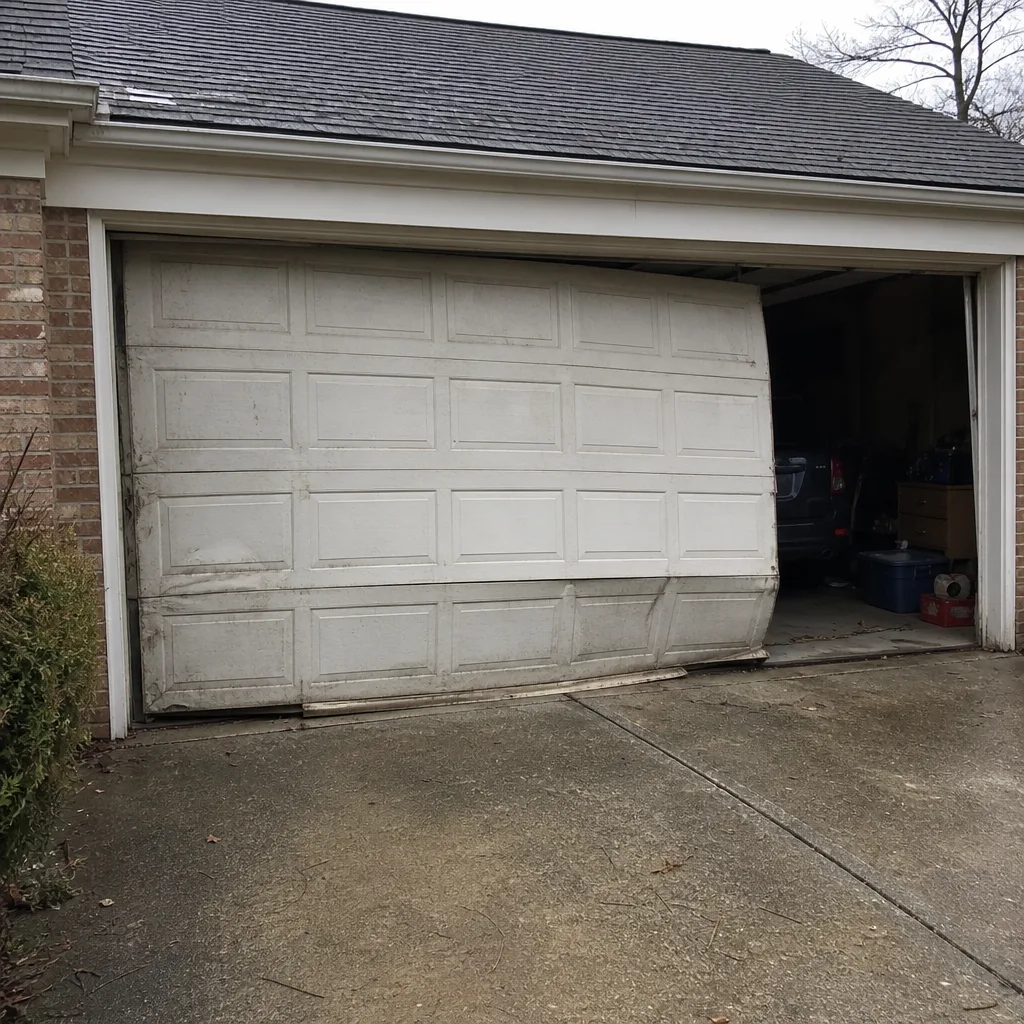 Before
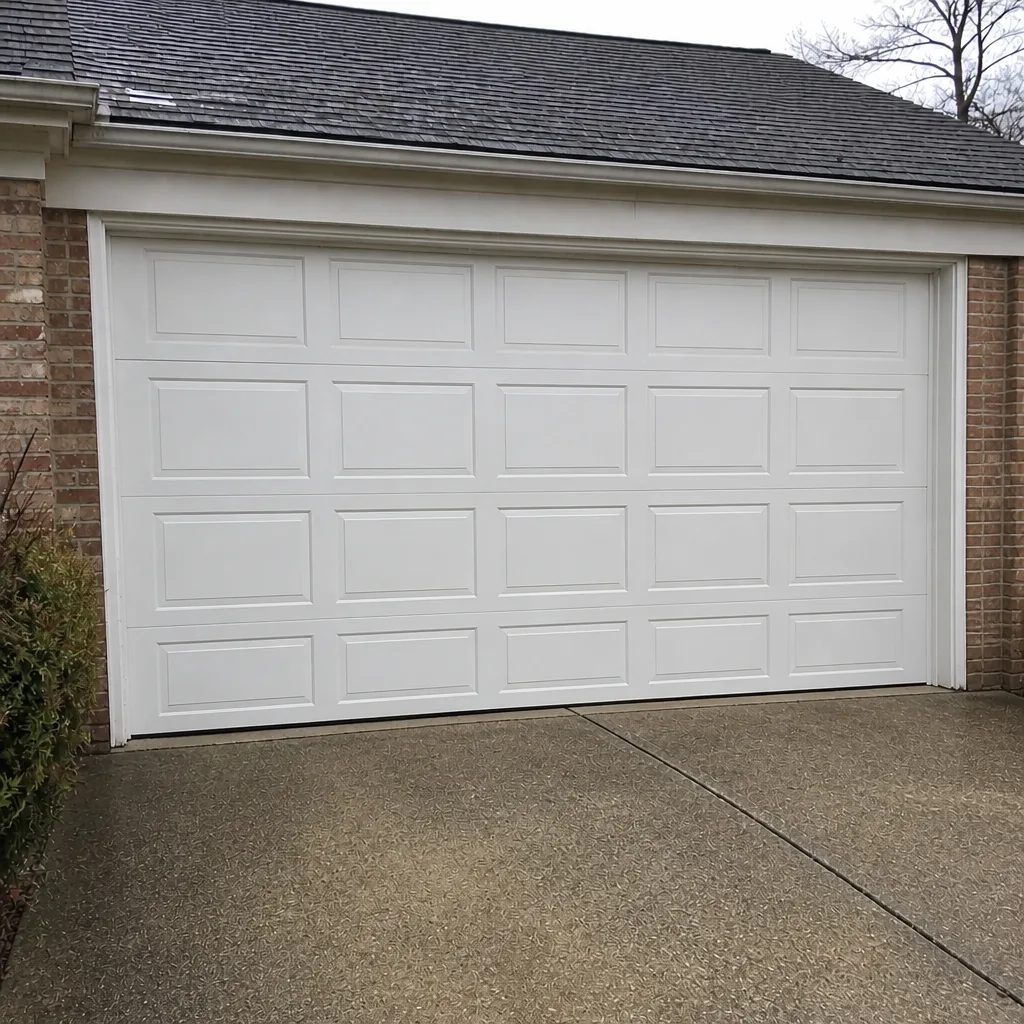 After
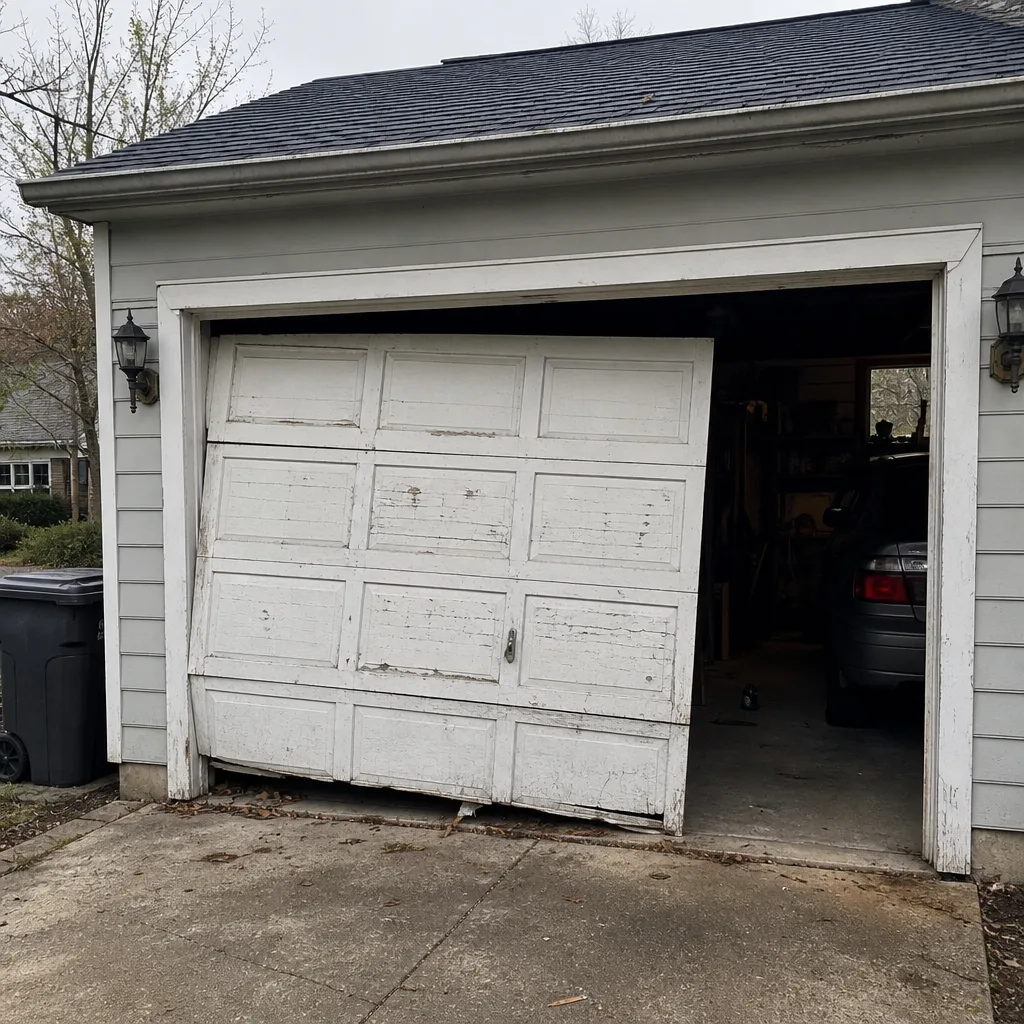 Before
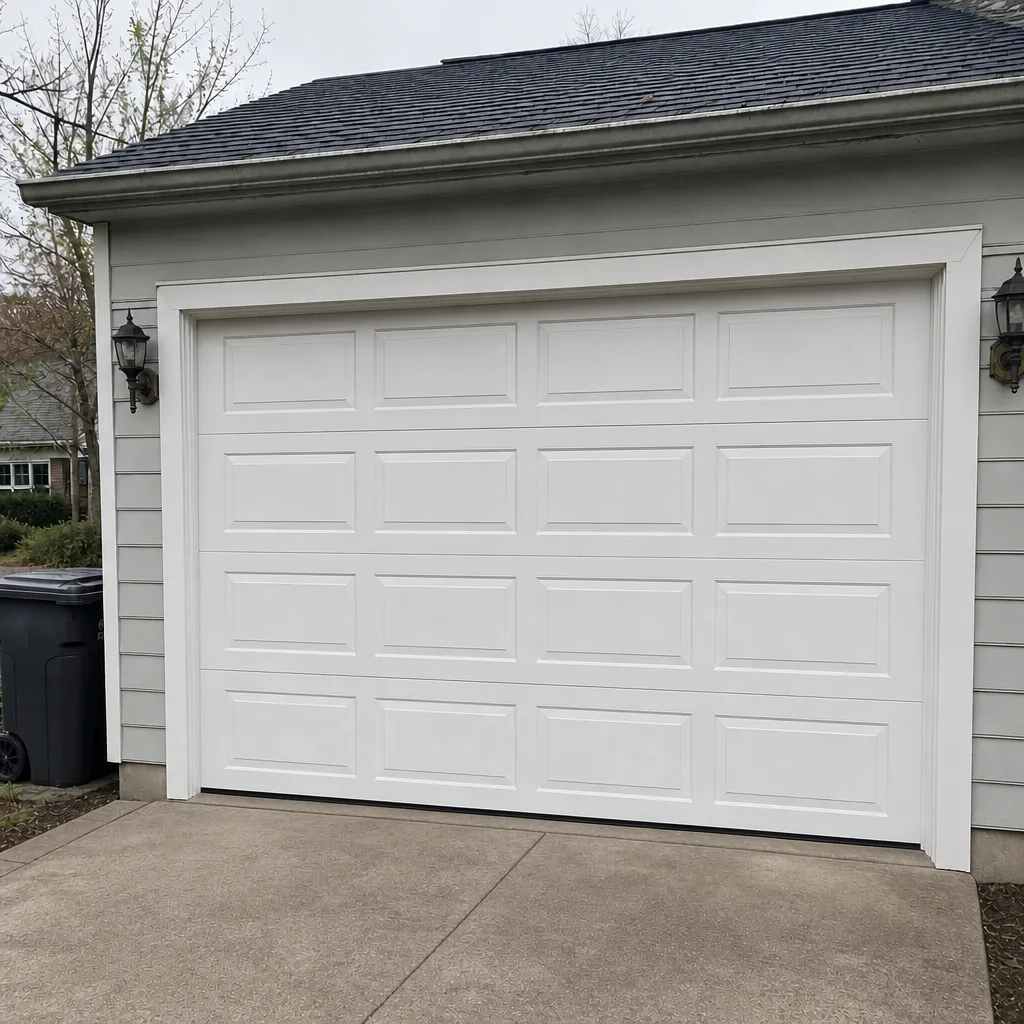 After
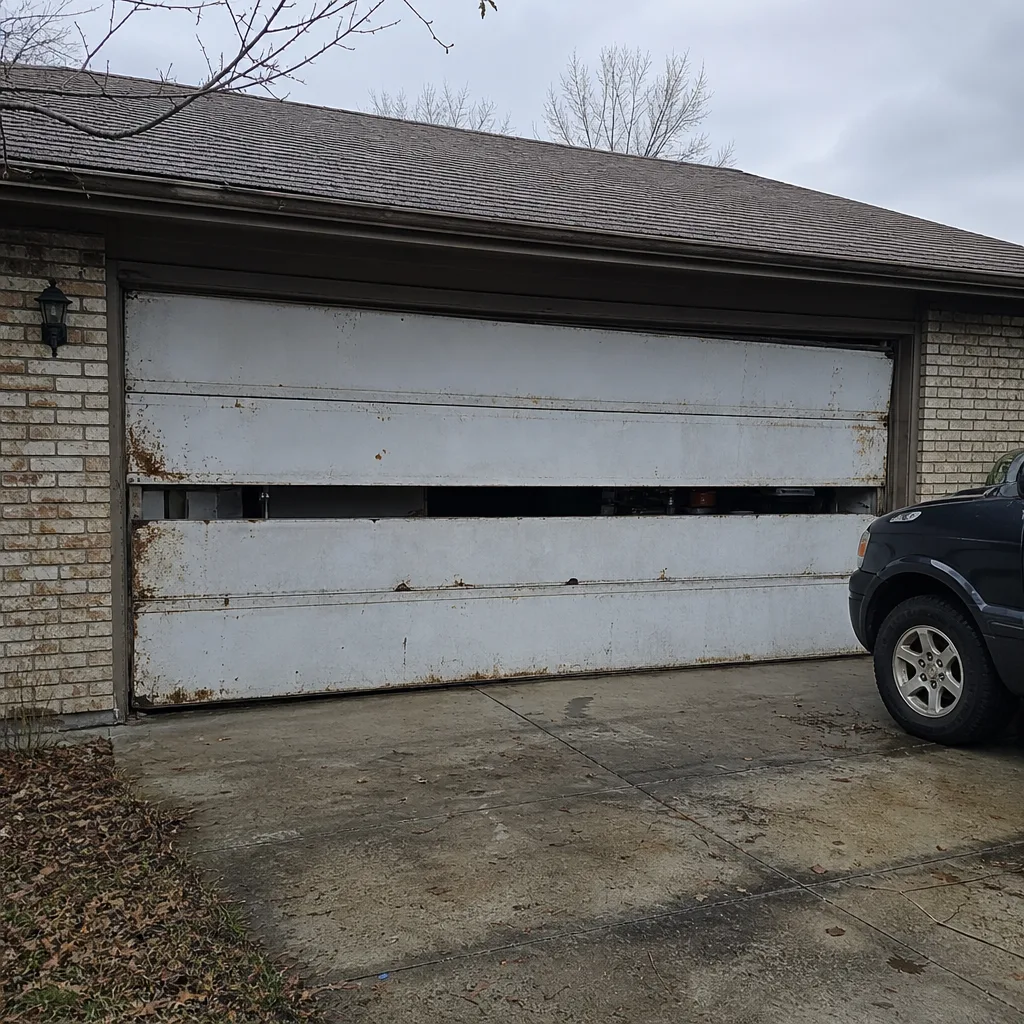 Before
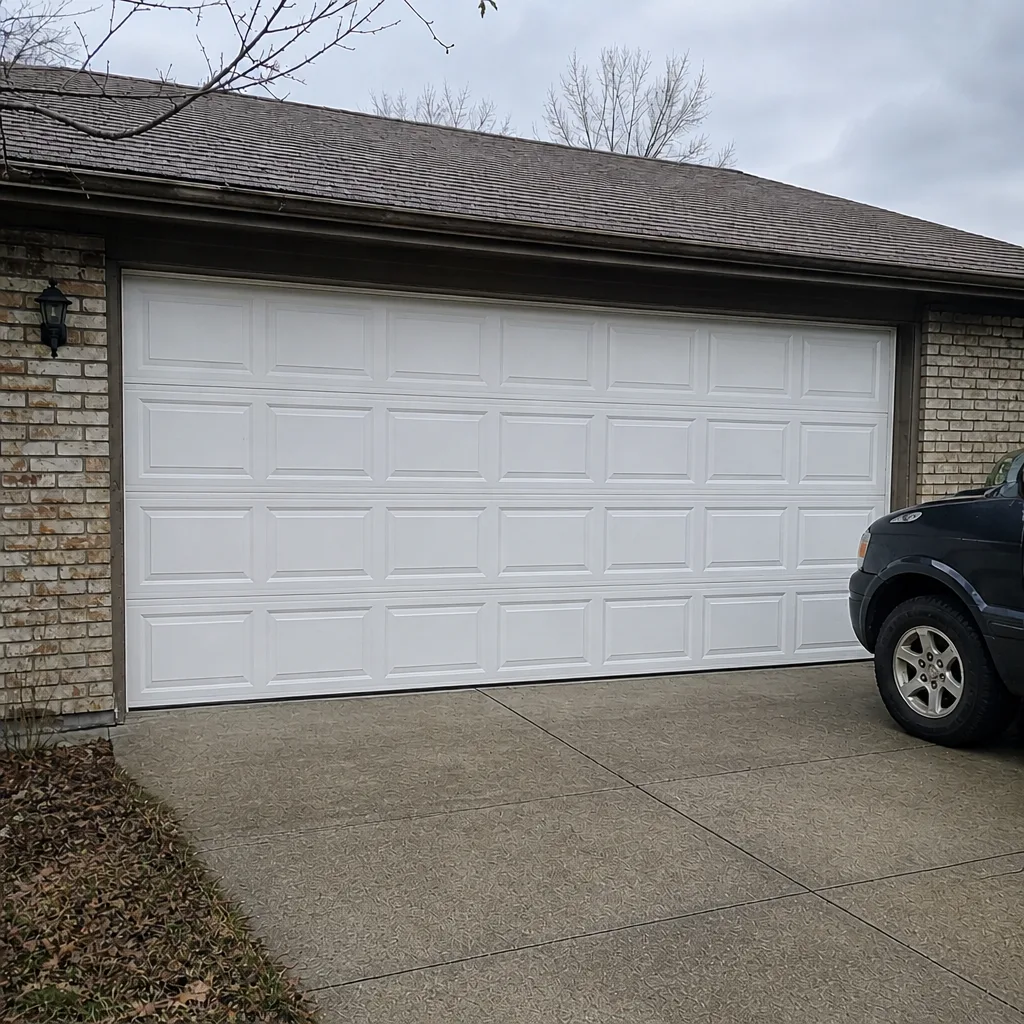 After
When to Call a Professional
Call a professional when the task involves springs, cables, a door off its track, a full installation, or an opener you can’t diagnose. Call sooner if you see a snapped spring, hear a loud bang from the garage, or find the door hanging crooked. Those are the moments where a trained technician with the right tooling keeps you safe and gets the door working again. If your door fails after dark, the phone line is still answered – just know that a call outside dispatch hours gets booked into the next opening, Sunday through Friday, 7am to 7pm.
For safe tasks, do them yourself with confidence. For the dangerous ones, hand them off. Garage Door Repair Mason offers free estimates in Mason – call (844) 625-7206. We answer 24/7. Fast dispatch from 7am to 7pm, Sunday through Friday.
Frequently Asked Questions
No, we don’t recommend it. A torsion spring holds the full weight of the door under tension, and releasing it incorrectly can cause serious injury, so it’s a job for a trained technician with the right winding tools. If a spring has snapped, don’t operate the door – call (844) 625-7206 for a free estimate.
Replacing bottom seals and weatherstripping, aligning or cleaning the safety sensors, lubricating hinges and rollers, and testing the auto-reverse are all genuinely DIY-safe. None of them involve stored spring tension, and a mistake is recoverable. For anything involving springs, cables, tracks, or the opener, call a professional.
Spring repair in Mason typically runs about $180 to $340 for a single spring, and a matched pair usually costs about twice that because both springs are replaced together. The written estimate sets the final price before any work starts. Call (844) 625-7206 for an exact quote – estimates are free.
Usually, yes. A badly wound spring, a forced track, or a guessed opener part can add parts and labor to the eventual repair, so undoing a botched high-energy job often costs more than the professional job would have. On safe tasks like seals and sensors, a wrong attempt usually just means trying again.
We handle same-day repair for urgent failures, and fast dispatch runs from 7am to 7pm, Sunday through Friday. If you call outside those hours, we answer 24/7 and book you into the next opening. Call (844) 625-7206 – estimates are free.
Yes. We service and install the full range of leading brands, including LiftMaster, Chamberlain, Clopay, Amarr, Wayne Dalton, Craftsman, and Raynor, so we can work on the brand you already own. Brand-matched knowledge means a faster diagnosis of your specific hardware.
The Bottom Line
The DIY-versus-professional question for your garage door comes down to which component you’re touching, not how handy you are. Seals, sensors, and lubrication are fair game for a careful homeowner, and doing them yourself saves real money. Springs, cables, track repairs, opener diagnosis, and full installation belong to a trained technician, because those parts hold stored energy and don’t forgive a mistake. In Mason, the seasonal swing makes seals and hardware wear faster, so a little routine attention pays off. Draw the line in the right place, prep well for the jobs you hand off, and let a specialist handle anything under tension. One call handles every door problem.
Call Garage Door Repair Mason at (844) 625-7206 for a free estimate. We answer 24/7. Fast dispatch from 7am to 7pm, Sunday through Friday.
Written by the team at Garage Door Repair Mason.